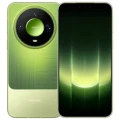
Huawei Mate 90 Air
+ CompareSCORE
- Released November 2026
- OS HarmonyOS 7.0
- Display 7.0 inches
- Camera 50 MP
- RAM 12 GB
- Battery 6500 mAh
PROS
- 1 7.0-inch LTPO OLED display, 120Hz, 4000 nits peak
- 2 Kirin 9020 flagship chipset
- 3 50MP main camera with 3x telephoto
- 4 6.6mm thin body with IP68/IP69 rating
- 5 Stylus support
- 6 6,500mAh battery with 66W charging
CONS
- 1 No Google services (HarmonyOS, not Android)
- 2 No microSD card slot
- 3 10.7MP selfie camera is modest for a flagship
- 4 BDS Satellite Messaging is China-only
- 5 No 3.5mm headphone jack
- 6 Rumoured — not announced yet, specs and price unconfirmed; launches 24 Nov 2026
Specification
Network
| Technology The mobile network technology the phone uses, such as GSM, HSPA or LTE. It determines which types of networks the phone can connect to. | GSM / CDMA / HSPA / CDMA2000 / LTE / 5G |
| 2G bands The second-generation mobile network bands the phone can use for calls and basic data. Support for more bands means better compatibility with different networks. | GSM 850 / 900 / 1800 / 1900; CDMA 800 |
| 3G bands The third-generation mobile network bands the phone supports for calls and mobile data. More supported bands mean better compatibility with different networks. | HSDPA 800 / 850 / 900 / 1700(AWS) / 1900 / 2100; CDMA2000 1x |
| 4G bands The fourth-generation (LTE) mobile network bands the phone supports. More supported bands mean better compatibility and coverage on different networks. | LTE |
| 5G bands The fifth-generation mobile network bands the phone supports for faster mobile data. More supported bands mean better compatibility with different networks. | SA/NSA |
| Speed The data speed the phone can support on mobile networks. Higher speeds mean faster downloads and uploads when the network supports them. | HSPA, LTE, 5G |
Body
| Dimensions The height, width and thickness of the phone, usually measured in millimetres. Smaller dimensions generally make a phone easier to hold. | 165 x 81.5 x 6.6 mm |
| Weight How heavy the phone is, measured in grams. A lower weight generally makes a phone more comfortable to hold for long periods. | 208 g |
| SIM The SIM card type and number the phone accepts, such as Nano-SIM or dual SIM. It determines how many mobile connections can be used. | Nano-SIM + Nano-SIM |
| Others Additional specifications that do not fit the other categories. This lists any remaining relevant details about the phone. | IP68/IP69 dust tight and water resistant (high pressure water jets; immersible up to 2m for 30 min); Stylus support |
Display
| Type The kind of display panel used in the phone. Different panel types affect colour, contrast and power use. | LTPO OLED, 1B colors, 120Hz, 2160Hz PWM, HDR Vivid, 4000 nits (peak) |
| Size The diagonal size of the display, measured in inches from corner to corner. | 7.0 inches |
| Resolution The number of pixels in the display, shown as width by height. Higher resolution generally means a sharper image. | 1320 x 2760 pixels, 19:9 ratio (~437 ppi) |
| Protection Protection applied to the display or body, such as strengthened glass or water and dust resistance ratings. | Kunlun Glass |
Platform
| OS The operating system software that runs the phone and its apps. Its version affects features, security and app compatibility. | HarmonyOS 7.0 |
| Chipset The main processor platform that powers the device. It controls performance, power efficiency and supported features. | Kirin 9020 (7 nm) |
| CPU The central processing unit that runs apps and tasks. More cores and higher clock speeds generally mean faster performance. | Octa-core (1x2.5GHz & 3x2.15 GHz & 4x1.6GHz) |
| GPU The graphics processing unit that handles images, video and games. A more capable GPU generally gives smoother graphics and gaming. | Maleoon 920 |
Memory
| Card slot A special slot for inserting a memory card. Memory cards allow you to expand the phone's built-in memory (or in the past these slots have been used to add some missing features such as Wi-Fi connectivity). Memory cards have different capacities and are used to store and transfer files between compatible devices. There are several types of memory cards. The most popular and frequently used by mobile phone manufacturers is microSD; however, up until recently Sony Ericsson exclusively used the Memory Stick Micro (M2) card type developed by Sony. | No |
| Internal Storage The built-in storage space for apps, photos and files, measured in gigabytes. More storage lets you keep more content on the phone. | 256/512 GB |
| RAM The memory the phone uses to run apps and keep them open in the background, measured in gigabytes. More RAM generally helps multitasking run smoothly. | 12 GB |
| Variant A phone variant is a specific model or version of a phone that differs slightly from other versions of the same phone from the same manufacturer. These differences can include variations in colors, sizes, features, specifications, or other attributes that distinguish one variant from another. For example, smartphones can have different storage capacities and colors, and different iPhone variants can have different cellular bands. | 12GB 256GB / 12GB 512GB |
Camera
| Triple A camera is a device that captures light and processes it into an image. It does this through a lens, which focuses the light onto a light-sensitive surface where a picture is formed. This could be film in traditional cameras or an electronic sensor in digital cameras. | 50 MP, f/1.8, 24mm (wide), 1/1.3", PDAF, OIS + 12 MP, f/2.4, 69mm (telephoto), PDAF, OIS, 3x optical zoom + 8 MP, f/2.2, 16mm (ultrawide) |
| Features Additional functions included for that part of the phone, such as special modes or enhancements. The list shows which extra functions are supported. | Laser AF, color spectrum sensor, LED flash, panorama, HDR |
| Video The meaning of VIDEO CAMERA is a camera that records video and usually audio | 4K, 1080p, gyro-EIS, OIS, HDR Vivid |
| Selfie camera The front-facing camera used for self-portraits and video calls. Higher megapixels can give more detail, along with features such as autofocus or flash. | 10.7 MP, f/2.2, (wide) |
More
| Loudspeaker The built-in speaker used for calls on speakerphone, music and videos. It states whether the phone has one and its type, such as stereo speakers. | Yes, with stereo speakers |
| 3.5mm jack A round headphone port for wired headphones and audio accessories. If present, wired audio can be used without an adapter. | No |
| WLAN The Wi-Fi standards the phone supports for wireless internet. Newer standards generally offer faster speeds and better connections. | Wi-Fi 802.11 a/b/g/n/ac/6/7, dual-band, Wi-Fi Direct |
| Bluetooth A short-range wireless technology for connecting accessories such as headphones and speakers. A newer version generally offers better range, speed and power efficiency. | 5.2, A2DP, LE, L2HC |
| GPS Satellite positioning used to find the phone location for maps and navigation. Support for more satellite systems can improve accuracy. | GPS (L1+L5), GLONASS (L1), BDS (B1I+B1c+B2a+B2b), GALILEO (E1+E5a+E5b), QZSS (L1+L5), NavIC |
| NFC Near Field Communication, a short-range wireless feature for contactless payments and quick pairing. It works only over very short distances. | Yes |
| FM radio Mobile phones that support FM radio have a dedicated FM radio receiver chip. This chip is responsible for receiving FM radio signals and converting them into audio signals that can be played through the phone's speakers or headphones. | No |
| USB The USB port used for charging and data transfer. Newer USB versions generally offer faster transfer speeds and a reversible connector. | USB Type-C 2.0, OTG |
| Infrared port An infrared (IR) port is a port on an electronic device that sends and receives data using infrared light. IR ports were commonly used in wireless devices to allow for fast communication with other devices, such as base stations. IR ports work by allowing two devices to face each other and share data using infrared rays within a range of 10 meters. | |
| Sensors Built-in sensors that detect motion, light, position and other conditions. They enable features such as auto-rotation, face unlock and navigation. | Fingerprint (side-mounted), accelerometer, gyro, proximity, compass, barometer |
| Battery Type The kind of battery used in the phone and whether it can be removed. It describes the battery technology and form. | Non-removable Si/C Li-Ion |
| Battery Capacity The size of the battery, measured in milliamp-hours (mAh). A higher capacity usually means longer use between charges. | 6500 mAh |
| Charging How the battery is charged, including wired and wireless charging speeds in watts. Higher wattage usually means faster charging. | 66W wired; 5W reverse wired |
| Made by The company that makes the device. It names the manufacturer responsible for the phone. | China |
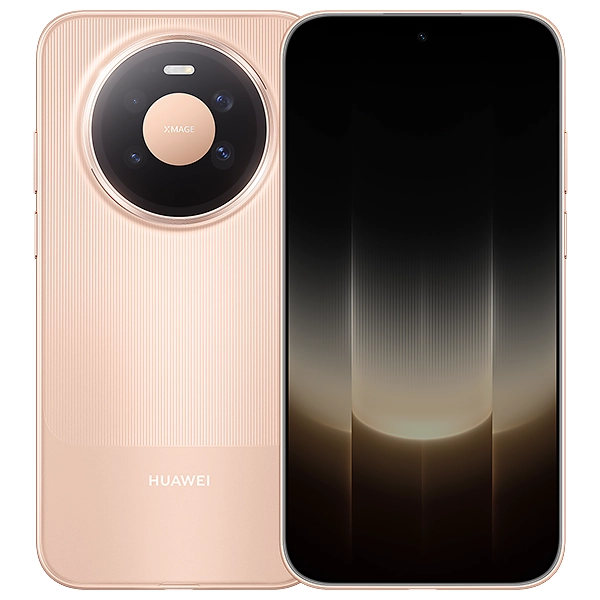
| Color The color options in which the phone is available. Color choice does not affect performance or features. | Black, White, Gold |
Disclaimer
We do not guarantee that the information of this page is 100% accurate and up to date. Read more
The Huawei Mate 90 Air launches on 24 November 2026 — tomorrow, at 11:30 PKT, alongside the Mate X8. The specs below come from MobileDokan’s pre-launch listing and the price is an estimate, and both should be replaced with the official figures at launch. Read our news post on the launch for the event details.
Design and Display
The Mate 90 Air measures 165 x 81.5 x 6.6 mm and weighs 208 g, with two Nano-SIM slots, an IP68/IP69 rating (high-pressure water jets; immersible up to 2m for 30 minutes) and stylus support. It comes in Black, White and Gold. The 6.6mm thickness is the story: this is Huawei’s thinnest flagship, a 7.0-inch phone that is thinner than most phones half its size. MobileDokan lists no build materials for the body, so no claim is made here about the frame or back.
The 7.0-inch LTPO OLED shows 1B colours at 120Hz with 2160Hz PWM dimming, HDR Vivid and a 4000-nit peak, at 1320 x 2760 (about 437 ppi), protected by Kunlun Glass. The panel should be judged on its resolution and brightness: 1320 x 2760 is sharp, and a 4000-nit peak is bright enough for any outdoor use. The 120Hz refresh rate and LTPO panel help it stay smooth while saving power.
Performance
The Kirin 9020 (7 nm) pairs one 2.5 GHz core with three 2.15 GHz cores and four 1.6 GHz cores, with a Maleoon 920 GPU. It comes with 12GB of RAM and 256GB or 512GB of storage, with no microSD card slot — so pick the storage size carefully. The chip is a flagship part that should handle heavy apps, games and video without fuss. Note that virtual or extended RAM is a software trick that borrows storage space — it is not physical RAM, and it does not turn a 12GB phone into a larger one.
Camera
- 50MP main camera: f/1.8, 24mm wide, 1/1.3-inch sensor, PDAF, OIS.
- 12MP telephoto camera: f/2.4, 69mm, PDAF, OIS, 3x optical zoom.
- 8MP ultrawide camera: f/2.2, 16mm.
- 10.7MP selfie camera: f/2.2 wide lens.
- Video: 4K and 1080p with gyro-EIS, OIS and HDR Vivid; the selfie camera also records 4K and 1080p. Laser AF, a colour spectrum sensor, LED flash, panorama and HDR are included.
The 3x telephoto is the camera’s real selling point — most phones with a screen this size rely on digital zoom. The 10.7MP selfie camera is modest for a flagship, though.
Battery and Charging
The 6,500mAh non-removable Si/C Li-Ion battery is large for a 6.6mm phone. In real use, that size of battery should carry most people through a full heavy day of calls, video and social apps, or two days of light use. Charging is 66W wired, and the phone also supports 5W reverse wired charging.
Software
The phone runs HarmonyOS 7.0 — not Android. Say it plainly: there are no Google services. There is no Play Store, and apps come from Huawei’s AppGallery. For a buyer in Pakistan, that means checking that the apps you rely on (banking, messaging, maps) are available in AppGallery or as web apps before buying. BDS Satellite Messaging is listed as China-only — do not present it as a feature for buyers in Pakistan.
Price in Pakistan
The Huawei Mate 90 Air price in Pakistan is expected to be Rs. 229,999. This is an estimate based on comparable Huawei flagships on this site — the Huawei Pura 90 Plus at Rs. 190,999 and the Huawei Mate 70 Pro at Rs. 260,999 — not an official price. The Mate 90 Air is a new-generation flagship (7.0-inch LTPO OLED, Kirin 9020, 12GB + 256GB, 50MP + 3x telephoto, 6.6mm, IP68/IP69, stylus), priced one rung above the Pura 90 Plus base and one rung below the Mate 70 Pro base. This is the least certain price in this batch — the phone launches on 24 November 2026, and the page will be refreshed on launch day with the official price and confirmed specs. PTA tax is not yet confirmed for this phone.
Variants: 12GB + 256GB and 12GB + 512GB.
| Model | Huawei Mate 90 Air |
| Price | PKR. 229,999 (Expected) |
| Display | 7.0″ LTPO OLED, 120Hz, 1320×2760 |
| RAM | 12GB |
| ROM | 256GB / 512GB |
| Released | November 2026 |
Buying in Pakistan
When the phone launches on 24 November 2026, check the IMEI on the DIRBS system before paying, confirm the exact model number matches the box, and buy from a seller who provides a proper warranty and receipt. Confirm the PTA status of the set you are buying and the duty that applies to it. An imported set without PTA approval will stop working on Pakistani networks after the 60-day DIRBS window. And confirm the software build: a HarmonyOS phone needs AppGallery apps, so check your must-have apps first.
Final Verdict: Huawei’s thinnest flagship — worth the wait, with one big warning
If you want the thinnest Huawei flagship with a 7.0-inch LTPO OLED, a 3x telephoto and stylus support, the Mate 90 Air is worth waiting for at an estimated Rs. 229,999 — but only once Huawei announces it tomorrow and confirms the price and specs. Skip it if you rely on Google services: HarmonyOS has no Play Store, and that is a deal-breaker for many buyers in Pakistan. If you need a phone today, the Huawei Pura 90 Plus from Rs. 190,999 is the cheaper flagship option, and the Mate 70 Pro from Rs. 260,999 is the step up. And remember, the phone launches tomorrow — the price and specs here are pre-launch estimates, and this page will be refreshed with the official figures on launch day.
Questions and opinions about Huawei Mate 90 Air
When will the Huawei Mate 90 Air launch in Pakistan?
The Huawei Mate 90 Air launches on 24 November 2026 at 11:30 PKT, alongside the Mate X8. The specs and price on this page are pre-launch estimates from MobileDokan's listing and will be replaced with the official figures at launch.
What is the price of the Huawei Mate 90 Air in Pakistan?
The Huawei Mate 90 Air price in Pakistan is expected to be Rs. 229,999. This is an estimate based on comparable Huawei flagships — the Pura 90 Plus at Rs. 190,999 and the Mate 70 Pro at Rs. 260,999 — not an official price. The phone launches on 24 November 2026, and the price will be replaced with the official launch price. This is the least certain price in this batch of new products.
Does the Huawei Mate 90 Air have Google services?
No. The Mate 90 Air runs HarmonyOS 7.0, not Android, and has no Google services and no Play Store. Apps come from Huawei's AppGallery, so check that the apps you rely on in Pakistan are available there before buying.
What cameras does the Huawei Mate 90 Air have?
The Mate 90 Air has a triple rear camera: 50MP main (f/1.8, 24mm, 1/1.3-inch, PDAF, OIS), 12MP telephoto (f/2.4, 69mm, PDAF, OIS, 3x optical zoom) and 8MP ultrawide (f/2.2, 16mm). The selfie camera is 10.7MP (f/2.2). Video recording is 4K and 1080p with gyro-EIS, OIS and HDR Vivid.
What is the battery capacity of the Huawei Mate 90 Air?
The Mate 90 Air has a 6,500mAh non-removable Si/C Li-Ion battery with 66W wired charging and 5W reverse wired charging. The large battery should carry most people through a full heavy day of use despite the phone being only 6.6mm thin.
Is the Huawei Mate 90 Air water resistant?
Yes. The Mate 90 Air is rated IP68/IP69 — dust tight and water resistant against high-pressure water jets, and immersible up to 2 metres for 30 minutes. It also supports a stylus.