ZTE Nubia V80 Max
+ CompareSCORE
- Released January 2026
- OS Android 16
- Display 6.9 Inches
- Camera 50 MP
- RAM 8GB
- Battery 6000 mAh
PROS
- 1 Large 6.9-inch 120Hz display with 780 nits brightness
- 2 6000mAh battery with 22.5W wired charging and 10W reverse wired charging
- 3 50MP main camera with PDAF
- 4 8GB RAM with 128GB or 256GB storage and a microSDXC slot
- 5 Side-mounted fingerprint sensor, NFC and IP64 splash resistance
- 6 3.5mm headphone jack
CONS
- 1 Only 720p resolution on a large 6.9-inch screen (around 260 ppi)
- 2 Entry-level Unisoc T7250 chip — not for demanding games
- 3 Slow 22.5W charging for a 6000mAh battery
- 4 Auxiliary lenses add little to the camera
- 5 No 5G
- 6 Plastic frame
Specification
Network
| Technology The mobile network technology the phone uses, such as GSM, HSPA or LTE. It determines which types of networks the phone can connect to. | GSM / HSPA / LTE |
| 2G bands The second-generation mobile network bands the phone can use for calls and basic data. Support for more bands means better compatibility with different networks. | GSM 850 / 900 / 1800 / 1900 |
| 3G bands The third-generation mobile network bands the phone supports for calls and mobile data. More supported bands mean better compatibility with different networks. | HSDPA 850 / 900 / 1900 / 2100, HSDPA 850 / 900 / 1700(AWS) / 1900 / 2100 |
| 4G bands The fourth-generation (LTE) mobile network bands the phone supports. More supported bands mean better compatibility and coverage on different networks. | LTE |
| Speed The data speed the phone can support on mobile networks. Higher speeds mean faster downloads and uploads when the network supports them. | HSPA, LTE |
Body
| Dimensions The height, width and thickness of the phone, usually measured in millimetres. Smaller dimensions generally make a phone easier to hold. | 171.6 x 77.8 x 8.3 mm |
| Weight How heavy the phone is, measured in grams. A lower weight generally makes a phone more comfortable to hold for long periods. | 191 g |
| Build The materials and construction used for the phone body, such as the front glass, back and frame. | Glass front, plastic frame |
| SIM The SIM card type and number the phone accepts, such as Nano-SIM or dual SIM. It determines how many mobile connections can be used. | Nano-SIM + Nano-SIM |
| Others Additional specifications that do not fit the other categories. This lists any remaining relevant details about the phone. | Drop resistant up to 1.8m, IP64 dust tight and water resistant (water splashes) |
Display
| Type The kind of display panel used in the phone. Different panel types affect colour, contrast and power use. | IPS LCD, 120Hz, 780 nits |
| Size The diagonal size of the display, measured in inches from corner to corner. | 6.9 inches |
| Resolution The number of pixels in the display, shown as width by height. Higher resolution generally means a sharper image. | 720 x 1640 (~260 ppi) |
| Protection Protection applied to the display or body, such as strengthened glass or water and dust resistance ratings. | Scratch-resistant glass |
Platform
| OS The operating system software that runs the phone and its apps. Its version affects features, security and app compatibility. | Android 16 |
| Chipset The main processor platform that powers the device. It controls performance, power efficiency and supported features. | Unisoc T7250 (12 nm) |
| CPU The central processing unit that runs apps and tasks. More cores and higher clock speeds generally mean faster performance. | Octa-core (2x1.8 GHz Cortex-A75 & 6x1.6 GHz Cortex-A55) |
| GPU The graphics processing unit that handles images, video and games. A more capable GPU generally gives smoother graphics and gaming. | Mali-G57 MP1 |
Memory
| Card slot A special slot for inserting a memory card. Memory cards allow you to expand the phone's built-in memory (or in the past these slots have been used to add some missing features such as Wi-Fi connectivity). Memory cards have different capacities and are used to store and transfer files between compatible devices. There are several types of memory cards. The most popular and frequently used by mobile phone manufacturers is microSD; however, up until recently Sony Ericsson exclusively used the Memory Stick Micro (M2) card type developed by Sony. | microSDXC |
| Internal Storage The built-in storage space for apps, photos and files, measured in gigabytes. More storage lets you keep more content on the phone. | 128/256 GB |
| RAM The memory the phone uses to run apps and keep them open in the background, measured in gigabytes. More RAM generally helps multitasking run smoothly. | 8 GB |
| Variant A phone variant is a specific model or version of a phone that differs slightly from other versions of the same phone from the same manufacturer. These differences can include variations in colors, sizes, features, specifications, or other attributes that distinguish one variant from another. For example, smartphones can have different storage capacities and colors, and different iPhone variants can have different cellular bands. | 8GB 128GB / 8GB 256GB |
Camera
| Triple A camera is a device that captures light and processes it into an image. It does this through a lens, which focuses the light onto a light-sensitive surface where a picture is formed. This could be film in traditional cameras or an electronic sensor in digital cameras. | 50 MP, f/1.8, (wide), PDAF + Auxiliary lenses |
| Features Additional functions included for that part of the phone, such as special modes or enhancements. The list shows which extra functions are supported. | LED flash, HDR, panorama |
| Video The meaning of VIDEO CAMERA is a camera that records video and usually audio | 1080p@30fps |
| Selfie camera The front-facing camera used for self-portraits and video calls. Higher megapixels can give more detail, along with features such as autofocus or flash. | Single 16 MP |
More
| Loudspeaker The built-in speaker used for calls on speakerphone, music and videos. It states whether the phone has one and its type, such as stereo speakers. | Yes |
| 3.5mm jack A round headphone port for wired headphones and audio accessories. If present, wired audio can be used without an adapter. | Yes |
| WLAN The Wi-Fi standards the phone supports for wireless internet. Newer standards generally offer faster speeds and better connections. | Wi-Fi 802.11 a/b/g/n/ac, dual-band |
| Bluetooth A short-range wireless technology for connecting accessories such as headphones and speakers. A newer version generally offers better range, speed and power efficiency. | 5.2, A2DP, LE |
| GPS Satellite positioning used to find the phone location for maps and navigation. Support for more satellite systems can improve accuracy. | GPS, GALILEO, GLONASS |
| NFC Near Field Communication, a short-range wireless feature for contactless payments and quick pairing. It works only over very short distances. | Yes (market/region dependent) |
| FM radio Mobile phones that support FM radio have a dedicated FM radio receiver chip. This chip is responsible for receiving FM radio signals and converting them into audio signals that can be played through the phone's speakers or headphones. | Unspecified |
| USB The USB port used for charging and data transfer. Newer USB versions generally offer faster transfer speeds and a reversible connector. | USB Type-C 2.0 |
| Infrared port An infrared (IR) port is a port on an electronic device that sends and receives data using infrared light. IR ports were commonly used in wireless devices to allow for fast communication with other devices, such as base stations. IR ports work by allowing two devices to face each other and share data using infrared rays within a range of 10 meters. | |
| Sensors Built-in sensors that detect motion, light, position and other conditions. They enable features such as auto-rotation, face unlock and navigation. | Fingerprint (side-mounted), accelerometer, proximity, compass |
| Battery Type The kind of battery used in the phone and whether it can be removed. It describes the battery technology and form. | Non-removable Li-Po |
| Battery Capacity The size of the battery, measured in milliamp-hours (mAh). A higher capacity usually means longer use between charges. | 6000 mAh |
| Charging How the battery is charged, including wired and wireless charging speeds in watts. Higher wattage usually means faster charging. | 22.5W wired, 10W Reverse wired, Bypass Charging |
| Made by The company that makes the device. It names the manufacturer responsible for the phone. | China |
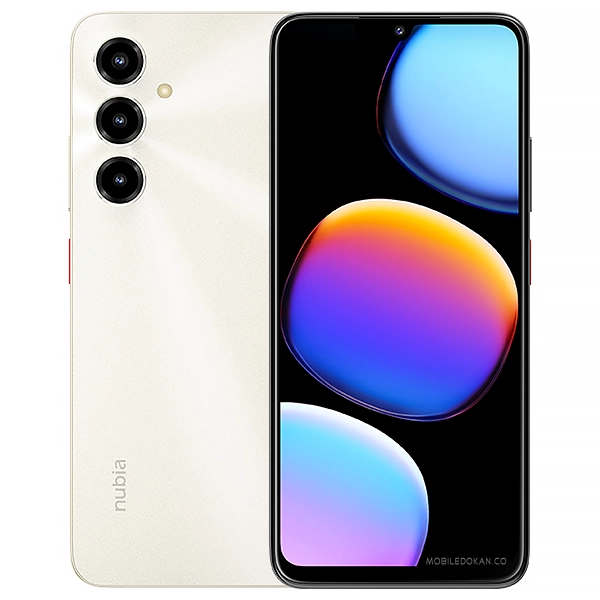
| Color The color options in which the phone is available. Color choice does not affect performance or features. | Stardust Purple, Stellar Silver, Aurellia Gold, Sky Cyan, Space Black |
Disclaimer
We do not guarantee that the information of this page is 100% accurate and up to date. Read more
The ZTE Nubia V80 Max is a big-screen, big-battery phone at an expected Rs. 39,999 in Pakistan. It pairs a 6.9-inch 120Hz display with a 6000mAh battery and 8GB of RAM, at a price where the Unisoc T7250 chip is the obvious compromise.
Design and Display
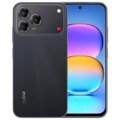
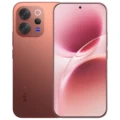
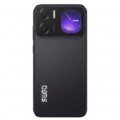
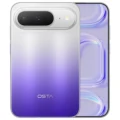
The V80 Max measures 171.6 x 77.8 x 8.3 mm and weighs 191 g, with a glass front and a plastic frame. It is drop resistant up to 1.8m and rated IP64 for dust and water splashes. A side-mounted fingerprint sensor sits on the frame, and the phone comes in Stardust Purple, Stellar Silver, Aurellia Gold, Sky Cyan and Space Black.
- 6.9-inch IPS LCD display with a 120Hz refresh rate
- 720 x 1640 resolution (around 260 ppi) with 780 nits brightness
- Scratch-resistant glass
Judge the panel on its resolution and brightness, not the refresh-rate number alone: 720p stretched across 6.9 inches is not sharp, and 780 nits is modest in bright daylight. The 120Hz refresh rate makes scrolling smooth, but it cannot make up for the low pixel density.
Performance
The Unisoc T7250 (12 nm) is an octa-core chip — 2×1.8 GHz Cortex-A75 and 6×1.6 GHz Cortex-A55 — with Mali-G57 MP1 graphics. It handles everyday apps, calls, messaging and video, but it is an entry-level chip: heavy games and demanding multitasking will show its limits. There is 8GB of RAM, 128GB or 256GB of storage, and a microSDXC slot for more space. The phone is a 4G-only device — there is no 5G here.
Camera
- Main camera: 50MP, f/1.8 (wide), PDAF, plus auxiliary lenses, with LED flash, HDR and panorama.
- Selfie camera: 16MP.
Video: 1080p at 30fps from the rear and front cameras.
The 50MP main lens is the only camera that matters — the auxiliary lenses add little. Expect decent daylight photos and ordinary low-light results.
Battery and Charging
The 6000mAh non-removable Li-Po battery is the other headline: it should comfortably last a full day and more with moderate use. Charging is 22.5W wired, which is slow for a battery this size, so full top-ups take a while. The phone also supports 10W reverse wired charging and bypass charging.
Software
The V80 Max runs Android 16, with Nubia’s usual customisations over stock Android.
Price in Pakistan
The ZTE Nubia V80 Max is expected in Pakistan at Rs. 39,999. The price is Expected, not official, and the final retail price may differ when the phone reaches shops. The phone must be registered with PTA through DIRBS within 60 days of inserting a local SIM; the PTA tax for this model is not yet confirmed.
| Model | Price | Display | RAM | Storage | Released |
|---|---|---|---|---|---|
| ZTE Nubia V80 Max | Rs. 39,999 (Expected) | 6.9″ IPS LCD, 120Hz, 720×1640 | 8GB | 128GB / 256GB | January 2026 |
Buying in Pakistan
- Check the IMEI and the exact model number on the box and in the phone settings before paying.
- Confirm warranty — official local warranty or retailer/importer warranty — and get it in writing.
- Confirm PTA status via DIRBS, and register within 60 days of inserting a local SIM; do not rely on the seller’s word.
- Confirm the 8GB RAM and 128GB or 256GB storage variant on the invoice.
- Test the 120Hz display, fingerprint sensor, both SIMs, microSD slot and headphone jack before paying.
Final Verdict: A big screen and a big battery for around Rs. 40,000.
The Nubia V80 Max is a big-screen, big-battery phone for around Rs. 40,000: the 6.9-inch 120Hz display and 6000mAh battery are the reasons to buy it, while the 720p panel and the entry-level Unisoc T7250 are the reasons to think twice. It suits video watchers and light users who want size and stamina over speed.
Questions and opinions about ZTE Nubia V80 Max
What is the price of the ZTE Nubia V80 Max in Pakistan?
The ZTE Nubia V80 Max is expected in Pakistan at Rs. 39,999. The price is Expected, not official, and may change when the phone reaches shops.
Does the ZTE Nubia V80 Max support 5G?
No. The ZTE Nubia V80 Max is a 4G-only phone (GSM/HSPA/LTE).
What is the battery capacity of the ZTE Nubia V80 Max?
It has a 6000mAh non-removable Li-Po battery with 22.5W wired charging, 10W reverse wired charging and bypass charging.
Does the ZTE Nubia V80 Max need PTA registration?
Yes. The phone must be registered with PTA through DIRBS within 60 days of inserting a local SIM. The PTA tax for this model is not yet confirmed.