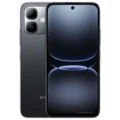
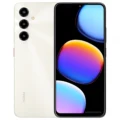
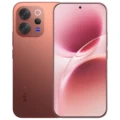
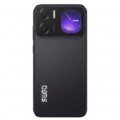
Vivo Y05
+ CompareSCORE
- Released February 2026
- OS Android 16
- Display 6.74 Inches
- Camera 8 MP
- RAM 4GB
- Battery 6500 mAh
PROS
- 1 6.74-inch 120Hz display with 1200 nits (HBM) brightness
- 2 6500mAh battery
- 3 Stereo speakers
- 4 IP65 dust and water resistance with MIL-STD-810H compliance
- 5 Dedicated microSDXC slot
- 6 Infrared port and 3.5mm headphone jack
CONS
- 1 Only 720p resolution (around 260 ppi)
- 2 Slow 15W charging
- 3 Single 8MP rear camera
- 4 Entry-level Unisoc T7225 chip
- 5 4GB RAM with eMMC 5.1 storage
- 6 No 5G and no NFC
Prices
Specification
Network
| Technology The mobile network technology the phone uses, such as GSM, HSPA or LTE. It determines which types of networks the phone can connect to. | GSM / HSPA / LTE |
| 2G bands The second-generation mobile network bands the phone can use for calls and basic data. Support for more bands means better compatibility with different networks. | GSM 850 / 900 / 1800 / 1900 |
| 3G bands The third-generation mobile network bands the phone supports for calls and mobile data. More supported bands mean better compatibility with different networks. | HSDPA 850 / 900 / 2100 |
| 4G bands The fourth-generation (LTE) mobile network bands the phone supports. More supported bands mean better compatibility and coverage on different networks. | 1, 3, 5, 7, 8, 20, 28, 38, 40, 41 and 1, 3, 5, 8, 38, 40, 41 |
| Speed The data speed the phone can support on mobile networks. Higher speeds mean faster downloads and uploads when the network supports them. | HSPA, LTE |
Body
| Dimensions The height, width and thickness of the phone, usually measured in millimetres. Smaller dimensions generally make a phone easier to hold. | 167.4 x 77.1 x 8.4 mm |
| Weight How heavy the phone is, measured in grams. A lower weight generally makes a phone more comfortable to hold for long periods. | 209 g |
| Build The materials and construction used for the phone body, such as the front glass, back and frame. | Glass front, plastic frame, plastic back |
| SIM The SIM card type and number the phone accepts, such as Nano-SIM or dual SIM. It determines how many mobile connections can be used. | Nano-SIM + Nano-SIM |
| Others Additional specifications that do not fit the other categories. This lists any remaining relevant details about the phone. | IP65 dust tight and water resistant (low pressure water jets), MIL-STD-810H compliant (does not guarantee ruggedness or use in extreme conditions) |
Display
| Type The kind of display panel used in the phone. Different panel types affect colour, contrast and power use. | IPS LCD, 120Hz, 1200 nits (HBM) |
| Size The diagonal size of the display, measured in inches from corner to corner. | 6.74 inches |
| Resolution The number of pixels in the display, shown as width by height. Higher resolution generally means a sharper image. | 720 x 1600, 20:9 (~260 ppi) |
Platform
| OS The operating system software that runs the phone and its apps. Its version affects features, security and app compatibility. | Android 16, OriginOS 6.0 |
| Chipset The main processor platform that powers the device. It controls performance, power efficiency and supported features. | Unisoc T7225 (12 nm) |
| CPU The central processing unit that runs apps and tasks. More cores and higher clock speeds generally mean faster performance. | Octa-core (2x2.0 GHz Cortex-A75 & 6x1.8 GHz Cortex-A55) |
| GPU The graphics processing unit that handles images, video and games. A more capable GPU generally gives smoother graphics and gaming. | Mali-G52 MP1 |
Memory
| Card slot A special slot for inserting a memory card. Memory cards allow you to expand the phone's built-in memory (or in the past these slots have been used to add some missing features such as Wi-Fi connectivity). Memory cards have different capacities and are used to store and transfer files between compatible devices. There are several types of memory cards. The most popular and frequently used by mobile phone manufacturers is microSD; however, up until recently Sony Ericsson exclusively used the Memory Stick Micro (M2) card type developed by Sony. | microSDXC (dedicated slot) |
| Internal Storage The built-in storage space for apps, photos and files, measured in gigabytes. More storage lets you keep more content on the phone. | 64/128 GB eMMC 5.1 |
| RAM The memory the phone uses to run apps and keep them open in the background, measured in gigabytes. More RAM generally helps multitasking run smoothly. | 4 GB |
| Variant A phone variant is a specific model or version of a phone that differs slightly from other versions of the same phone from the same manufacturer. These differences can include variations in colors, sizes, features, specifications, or other attributes that distinguish one variant from another. For example, smartphones can have different storage capacities and colors, and different iPhone variants can have different cellular bands. | 4GB 64GB / 4GB 128GB |
Camera
| Single A camera is a device that captures light and processes it into an image. It does this through a lens, which focuses the light onto a light-sensitive surface where a picture is formed. This could be film in traditional cameras or an electronic sensor in digital cameras. | 8 MP, f/2.0, (wide) |
| Features Additional functions included for that part of the phone, such as special modes or enhancements. The list shows which extra functions are supported. | LED flash, panorama |
| Video The meaning of VIDEO CAMERA is a camera that records video and usually audio | 1080p@30fps |
| Selfie camera The front-facing camera used for self-portraits and video calls. Higher megapixels can give more detail, along with features such as autofocus or flash. | Single 5 MP, f/2.2 |
More
| Loudspeaker The built-in speaker used for calls on speakerphone, music and videos. It states whether the phone has one and its type, such as stereo speakers. | Yes, with stereo speakers |
| 3.5mm jack A round headphone port for wired headphones and audio accessories. If present, wired audio can be used without an adapter. | Yes |
| WLAN The Wi-Fi standards the phone supports for wireless internet. Newer standards generally offer faster speeds and better connections. | Wi-Fi 802.11 a/b/g/n/ac (2.4 GHz & 5 GHz) |
| Bluetooth A short-range wireless technology for connecting accessories such as headphones and speakers. A newer version generally offers better range, speed and power efficiency. | 5.2, A2DP, LE |
| GPS Satellite positioning used to find the phone location for maps and navigation. Support for more satellite systems can improve accuracy. | GPS, GALILEO, GLONASS, BDS, QZSS |
| NFC Near Field Communication, a short-range wireless feature for contactless payments and quick pairing. It works only over very short distances. | No |
| FM radio Mobile phones that support FM radio have a dedicated FM radio receiver chip. This chip is responsible for receiving FM radio signals and converting them into audio signals that can be played through the phone's speakers or headphones. | No |
| USB The USB port used for charging and data transfer. Newer USB versions generally offer faster transfer speeds and a reversible connector. | USB Type-C 2.0, OTG |
| Infrared port An infrared (IR) port is a port on an electronic device that sends and receives data using infrared light. IR ports were commonly used in wireless devices to allow for fast communication with other devices, such as base stations. IR ports work by allowing two devices to face each other and share data using infrared rays within a range of 10 meters. | |
| Sensors Built-in sensors that detect motion, light, position and other conditions. They enable features such as auto-rotation, face unlock and navigation. | Fingerprint (side-mounted), accelerometer, proximity, compass |
| Battery Type The kind of battery used in the phone and whether it can be removed. It describes the battery technology and form. | Non-removable Li-Ion |
| Battery Capacity The size of the battery, measured in milliamp-hours (mAh). A higher capacity usually means longer use between charges. | 6500 mAh |
| Charging How the battery is charged, including wired and wireless charging speeds in watts. Higher wattage usually means faster charging. | 15W wired, Reverse wired |
| Made by The company that makes the device. It names the manufacturer responsible for the phone. | China |
| Color The color options in which the phone is available. Color choice does not affect performance or features. | Voyage Black, Haze Blue, Summit Platinum |
Disclaimer
We do not guarantee that the information of this page is 100% accurate and up to date. Read more
The Vivo Y05 is Vivo’s 2026 entry phone, bringing a 120Hz screen to Rs. 44,000. Its 6.74-inch display, 6500mAh battery and IP65 rating are the draw; the 720p panel and 15W charging are the trade-offs.
Design and Display
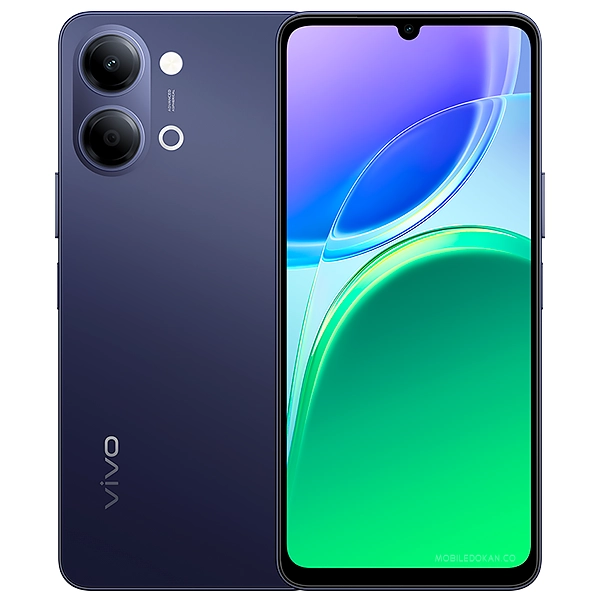
The Y05 measures 167.4 x 77.1 x 8.4 mm and weighs 209 g, with a glass front and a plastic frame and back. It is rated IP65 for dust and water resistance (low pressure water jets) and is MIL-STD-810H compliant — that means it has passed drop and shock tests, not that it is rugged or safe to use in extreme conditions. It comes in Voyage Black, Haze Blue and Summit Platinum, with a side-mounted fingerprint sensor.
- 6.74-inch IPS LCD display with a 120Hz refresh rate
- 720 x 1600 resolution, 20:9 (around 260 ppi), with 1200 nits (HBM) brightness
The 1200 nits peak brightness helps outdoors, but 720p stretched across 6.74 inches is not sharp. As with any budget 120Hz panel, judge the screen on resolution and brightness, not the refresh-rate number alone.
Performance
The Unisoc T7225 (12 nm) is an octa-core chip — 2×2.0 GHz Cortex-A75 and 6×1.8 GHz Cortex-A55 — with Mali-G52 MP1 graphics. It handles everyday apps, calls, messaging and video, but it is an entry-level chip: heavy games and demanding multitasking will show its limits. There is 4GB of RAM, 64GB or 128GB of eMMC 5.1 storage, and a dedicated microSDXC slot for more space. The phone is a 4G-only device — there is no 5G here, and no NFC.
Camera
- Main camera: Single 8MP, f/2.0 (wide), with LED flash and panorama.
- Selfie camera: 5MP, f/2.2.
Video: 1080p at 30fps from the rear and front cameras.
A single 8MP camera is basic: expect usable daylight photos and little more. The 5MP front camera is for video calls and simple selfies.
Battery and Charging
The 6500mAh non-removable Li-Ion battery is the Y05’s strongest suit: it should last well over a day with light use. Charging is 15W wired, which is slow for a battery this size, so full top-ups take a long time. Reverse wired charging is supported.
Software
The Y05 runs Android 16 with OriginOS 6.0.
Price in Pakistan
The Vivo Y05 is expected in Pakistan at Rs. 43,999 for the 4GB + 64GB version and Rs. 48,999 for the 4GB + 128GB version. The prices are Expected, not official, and the final retail prices may differ when the phone reaches shops. The phone must be registered with PTA through DIRBS within 60 days of inserting a local SIM; the PTA tax for this model is not yet confirmed.
4GB + 64GB — Rs. 43,999 (Expected)
4GB + 128GB — Rs. 48,999 (Expected)
| Model | Price | Display | RAM | Storage | Released |
|---|---|---|---|---|---|
| Vivo Y05 | Rs. 43,999 (Expected) | 6.74″ IPS LCD, 120Hz, 720×1600 | 4GB | 64GB / 128GB | February 2026 |
Buying in Pakistan
- Check the IMEI and the exact model number on the box and in the phone settings before paying.
- Confirm warranty — official local warranty or retailer/importer warranty — and get it in writing.
- Confirm PTA status via DIRBS, and register within 60 days of inserting a local SIM; do not rely on the seller’s word.
- Confirm the 4GB RAM and 64GB or 128GB storage variant on the invoice.
- Test the 120Hz display, fingerprint sensor, stereo speakers, both SIMs and the microSD slot before paying.
Final Verdict: A 120Hz screen for Rs. 44,000, with a 720p catch.
The Y05 gives you a smooth 120Hz screen, a big 6500mAh battery and a sturdy IP65 build for Rs. 44,000 — but the 720p display, 15W charging and single 8MP camera are real compromises. It is a fair first phone or a simple daily phone, not a performer.
Questions and opinions about Vivo Y05
What is the price of the Vivo Y05 in Pakistan?
The Vivo Y05 is expected in Pakistan at Rs. 43,999 for the 4GB + 64GB version and Rs. 48,999 for the 4GB + 128GB version. The prices are Expected, not official, and may change when the phone reaches shops.
Does the Vivo Y05 support 5G?
No. The Vivo Y05 is a 4G-only phone (GSM/HSPA/LTE) with no NFC.
What is the battery capacity of the Vivo Y05?
It has a 6500mAh non-removable Li-Ion battery with 15W wired charging and reverse wired charging.
Does the Vivo Y05 need PTA registration?
Yes. The phone must be registered with PTA through DIRBS within 60 days of inserting a local SIM. The PTA tax for this model is not yet confirmed.