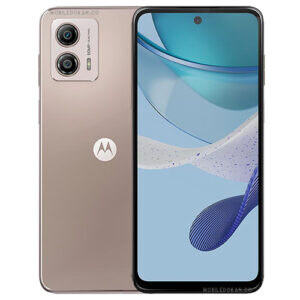
Motorola Moto G53
+ CompareSCORE
- Released 2022, December 15
- OS Android 13, MYUI 5.0
- Display 6.5" 720x1600 pixels
- Camera 50MP 1080p
- RAM 4-8GB RAM Snapdragon 480+ 5G
- Battery 5000mAh Li-Po
Specification
Network
| Technology The mobile network technology the phone uses, such as GSM, HSPA or LTE. It determines which types of networks the phone can connect to. | GSM / HSPA / LTE / 5G |
| 2G bands The second-generation mobile network bands the phone can use for calls and basic data. Support for more bands means better compatibility with different networks. | GSM 850 / 900 / 1800 / 1900 - SIM 1 & SIM 2 |
| 3G bands The third-generation mobile network bands the phone supports for calls and mobile data. More supported bands mean better compatibility with different networks. | HSDPA 850 / 900 / 1700(AWS) / 1900 / 2100 |
| 4G bands The fourth-generation (LTE) mobile network bands the phone supports. More supported bands mean better compatibility and coverage on different networks. | LTE |
| 5G bands The fifth-generation mobile network bands the phone supports for faster mobile data. More supported bands mean better compatibility with different networks. | 1, 5, 8, 28, 41, 78 SA/NSA |
| Speed The data speed the phone can support on mobile networks. Higher speeds mean faster downloads and uploads when the network supports them. | HSPA, LTE-A, 5G |
Body
| Dimensions The height, width and thickness of the phone, usually measured in millimetres. Smaller dimensions generally make a phone easier to hold. | 162.7 x 74.7 x 8.2 mm (6.41 x 2.94 x 0.32 in) |
| Weight How heavy the phone is, measured in grams. A lower weight generally makes a phone more comfortable to hold for long periods. | 183 g (6.46 oz) |
| Build The materials and construction used for the phone body, such as the front glass, back and frame. | Glass front, plastic frame, plastic back |
| SIM The SIM card type and number the phone accepts, such as Nano-SIM or dual SIM. It determines how many mobile connections can be used. | Dual SIM (Nano-SIM, dual stand-by) |
| Others Additional specifications that do not fit the other categories. This lists any remaining relevant details about the phone. | Water-repellent design |
Display
| Type The kind of display panel used in the phone. Different panel types affect colour, contrast and power use. | IPS LCD capacitive touchscreen, 16M colors |
| Size The diagonal size of the display, measured in inches from corner to corner. | 6.5 inches, 102.0 cm2 (~83.9% screen-to-body ratio) |
| Resolution The number of pixels in the display, shown as width by height. Higher resolution generally means a sharper image. | 720 x 1600 pixels, 20:9 ratio (~270 ppi density) |
| Features Additional functions included for that part of the phone, such as special modes or enhancements. The list shows which extra functions are supported. | 120Hz |
Platform
| OS The operating system software that runs the phone and its apps. Its version affects features, security and app compatibility. | Android 13, MYUI 5.0 |
| Chipset The main processor platform that powers the device. It controls performance, power efficiency and supported features. | Qualcomm SM4350-AC Snapdragon 480+ 5G (8 nm) |
| CPU The central processing unit that runs apps and tasks. More cores and higher clock speeds generally mean faster performance. | Octa-core (2x2.2 GHz Kryo 460 & 6x1.8 GHz Kryo 460) |
| GPU The graphics processing unit that handles images, video and games. A more capable GPU generally gives smoother graphics and gaming. | Adreno 619 |
Memory
| Internal Storage The built-in storage space for apps, photos and files, measured in gigabytes. More storage lets you keep more content on the phone. | 64/128 GB |
| RAM The memory the phone uses to run apps and keep them open in the background, measured in gigabytes. More RAM generally helps multitasking run smoothly. | 4/6/8 GB |
Camera
| Features Additional functions included for that part of the phone, such as special modes or enhancements. The list shows which extra functions are supported. | LED flash, 1080p@30fps |
| Video The meaning of VIDEO CAMERA is a camera that records video and usually audio | 50 MP, f/1.8 (wide), 1/2.76", 0.64µm, PDAF 2 MP, f/2.4, (macro) |
| Selfie camera The front-facing camera used for self-portraits and video calls. Higher megapixels can give more detail, along with features such as autofocus or flash. | 8 MP, (wide) |
More
| Alert types The ways the phone signals incoming calls and notifications, such as vibration, ringing tones or MP3 ringtones. | Vibration, MP3, WAV ringtones |
| Loudspeaker The built-in speaker used for calls on speakerphone, music and videos. It states whether the phone has one and its type, such as stereo speakers. | Yes, with stereo speakers |
| 3.5mm jack A round headphone port for wired headphones and audio accessories. If present, wired audio can be used without an adapter. | Yes |
| WLAN The Wi-Fi standards the phone supports for wireless internet. Newer standards generally offer faster speeds and better connections. | Wi-Fi 802.11 a/b/g/n/ac, dual-band |
| Bluetooth A short-range wireless technology for connecting accessories such as headphones and speakers. A newer version generally offers better range, speed and power efficiency. | 5.1, A2DP, LE |
| GPS Satellite positioning used to find the phone location for maps and navigation. Support for more satellite systems can improve accuracy. | GPS, GLONASS, GALILEO, BDS |
| NFC Near Field Communication, a short-range wireless feature for contactless payments and quick pairing. It works only over very short distances. | Yes |
| USB The USB port used for charging and data transfer. Newer USB versions generally offer faster transfer speeds and a reversible connector. | USB Type-C 2.0, USB On-The-Go |
| Infrared port An infrared (IR) port is a port on an electronic device that sends and receives data using infrared light. IR ports were commonly used in wireless devices to allow for fast communication with other devices, such as base stations. IR ports work by allowing two devices to face each other and share data using infrared rays within a range of 10 meters. | |
| Sensors Built-in sensors that detect motion, light, position and other conditions. They enable features such as auto-rotation, face unlock and navigation. | Fingerprint (side-mounted), accelerometer, gyro, proximity, compass |
| Battery Type The kind of battery used in the phone and whether it can be removed. It describes the battery technology and form. | Non-removable Li-Po |
| Battery Capacity The size of the battery, measured in milliamp-hours (mAh). A higher capacity usually means longer use between charges. | 5000 mAh |
| Charging How the battery is charged, including wired and wireless charging speeds in watts. Higher wattage usually means faster charging. | 18W wired (China, LATAM) 10W wired (International) Reverse wired |
| Made by The company that makes the device. It names the manufacturer responsible for the phone. | SMS(threaded view), MMS, Email, IM |
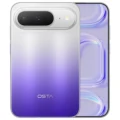
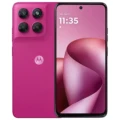
| Color The color options in which the phone is available. Color choice does not affect performance or features. | Ink Blue, Arctic Silver, Pale Pink |
| Models The specific model numbers or variants of the phone sold in different regions. Different models may vary in bands or storage. | XT2335 |
Disclaimer
We do not guarantee that the information of this page is 100% accurate and up to date. Read more
Motorola Moto G53 Review & Practical Analysis
The Motorola Moto G53 5G comes across as an entry-level kind of 5G smartphone, it is pretty affordable. The main idea with this phone seems to be smooth visuals and just getting your essential connectivity needs met without spending too much. You are looking at a 6.5-inch IPS LCD screen on the front, which does have a 120Hz refresh rate. That is actually pretty good and not something you see a lot in this price range, so that is a definite plus. Now, the resolution is HD+ (720×1600), which is not super high, it is modest, but it helps make everyday scrolling and how the user interface moves feel really quick. Under the hood, it has an 8nm Snapdragon 480+ 5G processor, and you can get it with up to 8GB of RAM. This setup should handle things like messaging, looking at social media, and just basic web stuff pretty smoothly, especially since it runs on a clean Android 13 through MYUI 5.0.
When it comes to just using the phone every day, it has a 5,000mAh battery. This battery is pretty reliable and should easily get you through a whole day without needing a recharge. Charging speeds are a bit different depending on where you are, though, it is 18W for China and Latin America, but then it is a slower 10W for international versions, which is something to keep in mi͏nd. For pictures, it has a 50MP main sen͏sor and a 2MP macro lens on the back, and then an 8MP camera on the front for selfies. They also kept some useful features that people generally like, such as a 3.5mm headphone jack, stereo speakers, NFC support, a fingerprint scanner that is on the side, and you can even expand the storage. So, the Moto G53 5G basically gives you a simp͏le, budget-friendly way to get into 5G