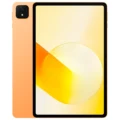
ZTE Nubia RedMagic 12 Pro
+ CompareSCORE

- Released Exp. 2026, November
- OS Android 17, Redmagic OS 12
- Display 6.85" 1216x2688 pixels
- Camera 50MP 4320p
- RAM 12/16GB RAM Snapdragon 8 Elite Extreme Gen 6
- Battery 8400mAh 80W
PROS
- 1 185Hz AMOLED with an under-display selfie camera — no notch or punch-hole
- 2 Built-in cooling fan and pressure-sensitive gaming triggers
- 3 8,400mAh battery with 80W wired and 80W wireless charging
- 4 3.5mm headphone jack and stereo speakers — rare on a flagship
CONS
- 1 No microSD card slot
- 2 No telephoto camera — dual rear cameras only
- 3 Global pricing not announced until November 3, 2026
Specification
Network
| Technology The mobile network technology the phone uses, such as GSM, HSPA or LTE. It determines which types of networks the phone can connect to. | GSM / HSPA / LTE / 5G |
| 2G bands The second-generation mobile network bands the phone can use for calls and basic data. Support for more bands means better compatibility with different networks. | GSM 850 / 900 / 1800 / 1900 |
| 3G bands The third-generation mobile network bands the phone supports for calls and mobile data. More supported bands mean better compatibility with different networks. | HSDPA 850 / 900 / 1700(AWS) / 1900 / 2100 |
| 4G bands The fourth-generation (LTE) mobile network bands the phone supports. More supported bands mean better compatibility and coverage on different networks. | LTE |
| 5G bands The fifth-generation mobile network bands the phone supports for faster mobile data. More supported bands mean better compatibility with different networks. | SA/NSA |
| Speed The data speed the phone can support on mobile networks. Higher speeds mean faster downloads and uploads when the network supports them. | HSPA, LTE, 5G |
Body
| Dimensions The height, width and thickness of the phone, usually measured in millimetres. Smaller dimensions generally make a phone easier to hold. | 163 x 76 x 8.6 mm |
| Weight How heavy the phone is, measured in grams. A lower weight generally makes a phone more comfortable to hold for long periods. | 223 g |
| Build The materials and construction used for the phone body, such as the front glass, back and frame. | Glass front (Gorilla Glass 7i), aluminum frame, glass back (Gorilla Glass 7i) |
| SIM The SIM card type and number the phone accepts, such as Nano-SIM or dual SIM. It determines how many mobile connections can be used. | Nano-SIM + Nano-SIM |
| Others Additional specifications that do not fit the other categories. This lists any remaining relevant details about the phone. | Pressure sensitive zones (520Hz touch-sensing); Built-in cooling fan (IPX8 water resistant); IP68/IP69 dust tight and water resistant (high pressure water jets; immersible up to 1.5m for 30 min); Aviation aluminum middle frame |
Display
| Type The kind of display panel used in the phone. Different panel types affect colour, contrast and power use. | AMOLED, 1B colors, 185Hz, PWM, 1900 nits (HBM), 5000 nits (peak) |
| Size The diagonal size of the display, measured in inches from corner to corner. | 6.85 inches |
| Resolution The number of pixels in the display, shown as width by height. Higher resolution generally means a sharper image. | 1216 x 2688 pixels (~431 ppi density) |
| Protection Protection applied to the display or body, such as strengthened glass or water and dust resistance ratings. | Corning Gorilla Glass 7i |
Platform
| OS The operating system software that runs the phone and its apps. Its version affects features, security and app compatibility. | Android 17, Redmagic OS 12 |
| Chipset The main processor platform that powers the device. It controls performance, power efficiency and supported features. | Qualcomm SM8975 Snapdragon 8 Elite Extreme Gen 6 (2 nm) |
| CPU The central processing unit that runs apps and tasks. More cores and higher clock speeds generally mean faster performance. | Octa-core (2x5.01 GHz + 3x4.03 GHz + 3x3.74 GHz) |
| GPU The graphics processing unit that handles images, video and games. A more capable GPU generally gives smoother graphics and gaming. | Adreno 850 |
Memory
| Card slot A special slot for inserting a memory card. Memory cards allow you to expand the phone's built-in memory (or in the past these slots have been used to add some missing features such as Wi-Fi connectivity). Memory cards have different capacities and are used to store and transfer files between compatible devices. There are several types of memory cards. The most popular and frequently used by mobile phone manufacturers is microSD; however, up until recently Sony Ericsson exclusively used the Memory Stick Micro (M2) card type developed by Sony. | No |
| Internal Storage The built-in storage space for apps, photos and files, measured in gigabytes. More storage lets you keep more content on the phone. | 256GB / 512GB / 1TB, UFS 4.1 |
| RAM The memory the phone uses to run apps and keep them open in the background, measured in gigabytes. More RAM generally helps multitasking run smoothly. | 12/16 GB |
| Variant A phone variant is a specific model or version of a phone that differs slightly from other versions of the same phone from the same manufacturer. These differences can include variations in colors, sizes, features, specifications, or other attributes that distinguish one variant from another. For example, smartphones can have different storage capacities and colors, and different iPhone variants can have different cellular bands. | 12GB 256GB / 16GB 512GB / 16GB 1TB |
Camera
| Dual A camera is a device that captures light and processes it into an image. It does this through a lens, which focuses the light onto a light-sensitive surface where a picture is formed. This could be film in traditional cameras or an electronic sensor in digital cameras. | 50 MP, f/1.9, 23mm (wide), 1/1.55", PDAF, OIS; 50 MP, f/2.0, 13mm (ultrawide), AF; Auxiliary lens |
| Features Additional functions included for that part of the phone, such as special modes or enhancements. The list shows which extra functions are supported. | LED flash, HDR, panorama |
| Video The meaning of VIDEO CAMERA is a camera that records video and usually audio | 8K@30fps, 4K@30/60fps, 1080p@30/60/120/240fps |
| Selfie camera The front-facing camera used for self-portraits and video calls. Higher megapixels can give more detail, along with features such as autofocus or flash. | 16 MP, f/2.0, 26mm (wide), under display |
More
| Loudspeaker The built-in speaker used for calls on speakerphone, music and videos. It states whether the phone has one and its type, such as stereo speakers. | Yes, with stereo speakers (with Dolby Atmos) |
| 3.5mm jack A round headphone port for wired headphones and audio accessories. If present, wired audio can be used without an adapter. | Yes |
| WLAN The Wi-Fi standards the phone supports for wireless internet. Newer standards generally offer faster speeds and better connections. | Wi-Fi 802.11 a/b/g/n/ac/6e/7, tri-band, Wi-Fi Direct |
| Bluetooth A short-range wireless technology for connecting accessories such as headphones and speakers. A newer version generally offers better range, speed and power efficiency. | 6.0, A2DP, LE |
| GPS Satellite positioning used to find the phone location for maps and navigation. Support for more satellite systems can improve accuracy. | GPS (L1+L5), GLONASS, BDS, GALILEO |
| NFC Near Field Communication, a short-range wireless feature for contactless payments and quick pairing. It works only over very short distances. | Yes |
| FM radio Mobile phones that support FM radio have a dedicated FM radio receiver chip. This chip is responsible for receiving FM radio signals and converting them into audio signals that can be played through the phone's speakers or headphones. | No |
| USB The USB port used for charging and data transfer. Newer USB versions generally offer faster transfer speeds and a reversible connector. | USB Type-C 3.2 Gen 2, OTG, DisplayPort |
| Infrared port An infrared (IR) port is a port on an electronic device that sends and receives data using infrared light. IR ports were commonly used in wireless devices to allow for fast communication with other devices, such as base stations. IR ports work by allowing two devices to face each other and share data using infrared rays within a range of 10 meters. | |
| Sensors Built-in sensors that detect motion, light, position and other conditions. They enable features such as auto-rotation, face unlock and navigation. | Fingerprint (under display, ultrasonic), accelerometer, gyro, proximity, compass |
| Battery Type The kind of battery used in the phone and whether it can be removed. It describes the battery technology and form. | Si/C Li-Ion |
| Battery Capacity The size of the battery, measured in milliamp-hours (mAh). A higher capacity usually means longer use between charges. | 8400 mAh |
| Charging How the battery is charged, including wired and wireless charging speeds in watts. Higher wattage usually means faster charging. | 80W wired; 80W wireless; 22.5W reverse wired |
| Made by The company that makes the device. It names the manufacturer responsible for the phone. | China |
| Color The color options in which the phone is available. Color choice does not affect performance or features. | Nightfreeze (Transparent Black), Subzero (Transparent Silver), Skyfrost (Blue Transparent) |
Disclaimer
We do not guarantee that the information of this page is 100% accurate and up to date. Read more
ZTE Nubia RedMagic 12 Pro Overview
The RedMagic 12 Pro is the global version of the RedMagic 12 Pro+ that launched in China on October 15, 2026. Nubia has set the global launch for November 3, 2026, when pricing and regional configurations will be announced. The hardware is close to the China model — the same 185Hz display, cooling fan and 8,400mAh battery — with wired charging at 80W instead of 120W and 520Hz shoulder triggers instead of 700Hz.
Key Highlights
- 6.85-inch AMOLED display, 1216 x 2688 pixels, 185Hz refresh rate
- 16MP under-display selfie camera — no notch or punch-hole
- Snapdragon 8 Elite Extreme Gen 6 with UFS 4.1 storage
- Built-in cooling fan, liquid cooling and 520Hz pressure-sensitive shoulder triggers
- Dual 50MP rear cameras — main with OIS plus an ultrawide
- 8,400mAh battery with 80W wired and 80W wireless charging
- IP68/IP69 ratings, 3.5mm headphone jack and stereo speakers
Display and Performance
The 6.85-inch AMOLED runs at 185Hz, and the selfie camera sits under the panel, so the screen stays uninterrupted in games and video. The Snapdragon 8 Elite Extreme Gen 6 is paired with 12GB or 16GB of RAM and up to 1TB of storage. Cooling combines an active fan with liquid cooling for sustained gaming performance.
Cameras and Battery
The rear setup is a 50MP main camera with OIS and a 50MP ultrawide. There is no telephoto, so zoom shots crop from the main sensor. Video goes up to 8K at 30fps. The 8,400mAh battery supports 80W wired charging, 80W wireless charging and 22.5W reverse wired charging.
ZTE Nubia RedMagic 12 Pro Price in Pakistan
The price is not yet confirmed. Global pricing will be announced at the November 3, 2026 launch, and there is no official Pakistan release — local units would be imports, non-PTA until registered with DIRBS. This section will be updated when pricing is announced.
Final Verdict: Should You Buy It in Pakistan?
The RedMagic 12 Pro brings the Pro+ gaming hardware to global markets with slightly slower wired charging. For Pakistan buyers it changes little until pricing lands: imports, no local warranty and PTA registration on top. Wait for the November 3 announcement before deciding.