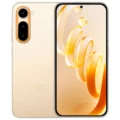
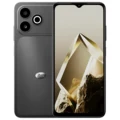
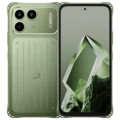
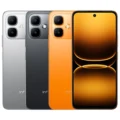
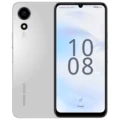
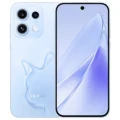
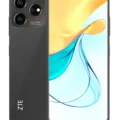
Itel Zeno 300
+ CompareSCORE

- Released 2026, September 25
- OS Android 16, itel OS 15
- Display 6.56" 720x1612 pixels
- Camera 8MP 1080p
- RAM 4GB RAM Unisoc T7100
- Battery 6000mAh 18W
PROS
- 1 Massive 6000mAh battery life.
- 2 Smooth 90Hz screen refresh rate.
- 3 Dedicated microSD storage slot.
- 4 Very affordable entry price.
CONS
- 1 Very basic 8MP rear camera.
- 2 Slow 18W wired charging speed.
- 3 Entry-level Unisoc processor.
- 4 Screen resolution is only 720p.
Specification
Network
| Technology The mobile network technology the phone uses, such as GSM, HSPA or LTE. It determines which types of networks the phone can connect to. | GSM / HSPA / LTE |
| 2G bands The second-generation mobile network bands the phone can use for calls and basic data. Support for more bands means better compatibility with different networks. | GSM 850 / 900 / 1800 / 1900 |
| 3G bands The third-generation mobile network bands the phone supports for calls and mobile data. More supported bands mean better compatibility with different networks. | HSDPA 900 / 2100 |
| 4G bands The fourth-generation (LTE) mobile network bands the phone supports. More supported bands mean better compatibility and coverage on different networks. | LTE |
| Speed The data speed the phone can support on mobile networks. Higher speeds mean faster downloads and uploads when the network supports them. | HSPA+, LTE |
Body
| Dimensions The height, width and thickness of the phone, usually measured in millimetres. Smaller dimensions generally make a phone easier to hold. | 164 x 76 x 8.0 mm |
| Weight How heavy the phone is, measured in grams. A lower weight generally makes a phone more comfortable to hold for long periods. | 185 g |
| SIM The SIM card type and number the phone accepts, such as Nano-SIM or dual SIM. It determines how many mobile connections can be used. | Nano-SIM + Nano-SIM |
| Others Additional specifications that do not fit the other categories. This lists any remaining relevant details about the phone. | MIL-STD-810H |
Display
| Type The kind of display panel used in the phone. Different panel types affect colour, contrast and power use. | TFT, 90Hz |
| Size The diagonal size of the display, measured in inches from corner to corner. | 6.56 inches |
| Resolution The number of pixels in the display, shown as width by height. Higher resolution generally means a sharper image. | 720 x 1612 pixels |
Platform
| OS The operating system software that runs the phone and its apps. Its version affects features, security and app compatibility. | Android 16 Go edition |
| Chipset The main processor platform that powers the device. It controls performance, power efficiency and supported features. | Unisoc T7100 (28 nm) |
| CPU The central processing unit that runs apps and tasks. More cores and higher clock speeds generally mean faster performance. | Octa-core 1.8 GHz |
Memory
| Card slot A special slot for inserting a memory card. Memory cards allow you to expand the phone's built-in memory (or in the past these slots have been used to add some missing features such as Wi-Fi connectivity). Memory cards have different capacities and are used to store and transfer files between compatible devices. There are several types of memory cards. The most popular and frequently used by mobile phone manufacturers is microSD; however, up until recently Sony Ericsson exclusively used the Memory Stick Micro (M2) card type developed by Sony. | microSDXC (dedicated slot) |
| Internal Storage The built-in storage space for apps, photos and files, measured in gigabytes. More storage lets you keep more content on the phone. | 64 GB |
| RAM The memory the phone uses to run apps and keep them open in the background, measured in gigabytes. More RAM generally helps multitasking run smoothly. | 4 GB |
| Variant A phone variant is a specific model or version of a phone that differs slightly from other versions of the same phone from the same manufacturer. These differences can include variations in colors, sizes, features, specifications, or other attributes that distinguish one variant from another. For example, smartphones can have different storage capacities and colors, and different iPhone variants can have different cellular bands. | 4GB 64GB |
Camera
| Single A camera is a device that captures light and processes it into an image. It does this through a lens, which focuses the light onto a light-sensitive surface where a picture is formed. This could be film in traditional cameras or an electronic sensor in digital cameras. | 8 MP |
| Features Additional functions included for that part of the phone, such as special modes or enhancements. The list shows which extra functions are supported. | LED flash |
| Video The meaning of VIDEO CAMERA is a camera that records video and usually audio | 1080p@30fps, 720p@30fps |
| Selfie camera The front-facing camera used for self-portraits and video calls. Higher megapixels can give more detail, along with features such as autofocus or flash. | 5 MP |
More
| Loudspeaker The built-in speaker used for calls on speakerphone, music and videos. It states whether the phone has one and its type, such as stereo speakers. | Yes |
| 3.5mm jack A round headphone port for wired headphones and audio accessories. If present, wired audio can be used without an adapter. | Yes |
| WLAN The Wi-Fi standards the phone supports for wireless internet. Newer standards generally offer faster speeds and better connections. | Wi-Fi 802.11 a/b/g/n/ac, dual-band |
| Bluetooth A short-range wireless technology for connecting accessories such as headphones and speakers. A newer version generally offers better range, speed and power efficiency. | 5.0, A2DP, LE |
| GPS Satellite positioning used to find the phone location for maps and navigation. Support for more satellite systems can improve accuracy. | GPS |
| NFC Near Field Communication, a short-range wireless feature for contactless payments and quick pairing. It works only over very short distances. | No |
| FM radio Mobile phones that support FM radio have a dedicated FM radio receiver chip. This chip is responsible for receiving FM radio signals and converting them into audio signals that can be played through the phone's speakers or headphones. | Unspecified |
| USB The USB port used for charging and data transfer. Newer USB versions generally offer faster transfer speeds and a reversible connector. | USB Type-C |
| Infrared port An infrared (IR) port is a port on an electronic device that sends and receives data using infrared light. IR ports were commonly used in wireless devices to allow for fast communication with other devices, such as base stations. IR ports work by allowing two devices to face each other and share data using infrared rays within a range of 10 meters. | |
| Sensors Built-in sensors that detect motion, light, position and other conditions. They enable features such as auto-rotation, face unlock and navigation. | Fingerprint (side-mounted), accelerometer |
| Battery Type The kind of battery used in the phone and whether it can be removed. It describes the battery technology and form. | Non-removable Li-Ion |
| Battery Capacity The size of the battery, measured in milliamp-hours (mAh). A higher capacity usually means longer use between charges. | 6000 mAh |
| Charging How the battery is charged, including wired and wireless charging speeds in watts. Higher wattage usually means faster charging. | 18W wired |
| Made by The company that makes the device. It names the manufacturer responsible for the phone. | China |
| Color The color options in which the phone is available. Color choice does not affect performance or features. | Lavender Purple, Silver Mist, Classic Black |
Disclaimer
We do not guarantee that the information of this page is 100% accurate and up to date. Read more
Itel Zeno 300 Price in Pakistan, Specs, and Detailed Review
The Itel Zeno 300 is an entry-level 4G smartphone built around a 6.56-inch 90Hz TFT display, a Unisoc T7100 chipset, 4GB of RAM, 64GB of storage, and a large 6,000mAh battery. Its Pakistani price is listed at Rs. 29,999 based on current market information, while its confirmed Indian launch price is ₹9,649 for the 4GB/64GB configuration. The phone went on sale in India in September 2026 running Android 16 Go Edition, with an 8MP rear camera and 18W charging.
The important point is that the Zeno 300 isn’t trying to compete with mid-range phones on camera quality, processing power, or display resolution. Its hardware priorities are simpler: a large battery, 90Hz scrolling, expandable storage, a headphone jack, and basic everyday connectivity.
Global Launch & Pakistan Availability
The Itel Zeno 300 launched in India on September 25, 2026, with the 4GB RAM / 64GB storage configuration priced at $110. (One outlet lists September 24 as the launch date; others place retail availability on the 25th — the difference likely comes down to embargo timing versus actual retail stock.)
The global spec sheet is consistent on the core hardware: a 6.56-inch HD+ display at 90Hz, the Unisoc T7100 chipset, 4GB RAM, 64GB storage, an 8MP rear camera, a 5MP selfie camera, and a 6,000mAh battery with 18W charging.
For Pakistan, buyers should distinguish between official local stock and imported units. Itel has operated in Pakistan since 2019 and maintains a local support presence, including IMEI and warranty-check facilities. As of late 2026, however, Itel Pakistan has not published an official Zeno 300 listing on its regional portal, so the Rs. 29,999 figure supplied for this review should be treated as a current market estimate rather than a confirmed manufacturer-listed Pakistani MSRP.
The Pakistan Price: Official, Non-PTA, and CPID
The Zeno 300 is a 4G budget handset, so the Pakistani price structure is considerably simpler than that of expensive imported flagships. If the Rs. 29,999 figure represents an officially PTA-approved retail unit, the buyer normally doesn’t need to pay a separate registration bill after purchase.
For an imported or non-PTA unit, the cost of making the device compliant depends on the applicable customs duty, taxes, and the valuation used by the authorities. Pakistan’s DIRBS system identifies non-compliant devices and can eventually block them from local cellular networks.
| Storage variant | Estimated non-PTA price | Estimated PTA tax (FBR) | Total PTA-approved price |
|---|---|---|---|
| 4GB + 64GB | Rs. 24,000 – 28,000 | Verify via DIRBS / PSID | Rs. 29,999 – 35,000 |
Figures reflect current grey-market imports versus local retail stock and are market-oriented estimates, not an official FBR/PTA tax quotation. Always verify the actual payable amount against the device’s IMEI before purchasing an imported handset — send the 15-digit IMEI as an SMS to 8484, or check it at dirbs.pta.gov.pk.
There’s little reason to buy a non-PTA Zeno 300 merely to save a few thousand rupees if the eventual registration cost brings the total close to official-market pricing.
What About CPID?
CPID, or server-patched, phones are a separate matter. A CPID service generally involves altering or manipulating device identification information so a handset can operate on local networks without going through the normal official registration route. It is not the same thing as official PTA approval.
For a phone in this price category, paying for a questionable server patch is difficult to justify. Buyers can run into problems with IMEI status, software updates, resale, device authentication, and financial apps — banking and payment apps often impose their own security checks on modified software environments, and a patched handset may fall outside normal manufacturer warranty coverage.
The safer route is to buy a device with legitimate IMEI registration and verify its status before handing over payment.
Design and Build Quality
The Zeno 300 measures approximately 164 × 76 × 8.0mm and weighs 185 grams. The listed specification points to plastic-oriented construction, which is normal for this price class.
Its most notable durability claim is MIL-STD-810H. This shouldn’t be interpreted as equivalent to a certified IP68 smartphone — MIL-STD-810H refers to a family of military environmental testing methods, and manufacturers can select particular tests relevant to their device. Carrying the label doesn’t automatically mean a phone has passed every test in that standard.
IP68 and IP69 Protection
The Zeno 300’s listed specification doesn’t provide an IP68 or IP69 rating, and that distinction matters:
- IP65, reported by some third-party listings for the Zeno 300, indicates dust protection and protection against water jets — it is not an invitation to submerge the phone.
- IP68 normally indicates dust-tight construction and protection against specified continuous immersion conditions.
- IP69 concerns protection against powerful, high-temperature water jets.
Because the manufacturer-level information available for this model doesn’t clearly establish an official IP68/IP69 rating, buyers shouldn’t treat the Zeno 300 as a waterproof phone.
Display & Screen Technology
The Zeno 300 uses a 6.56-inch TFT display with a 720 × 1612-pixel resolution and a 90Hz refresh rate, putting pixel density in the high-260 pixels-per-inch range according to third-party specs.
The 90Hz refresh rate is the strongest part of this display spec — scrolling through menus, social feeds, and supported apps should look noticeably smoother than a conventional 60Hz panel.
The resolution is a different story. At 720p on a screen larger than 6.5 inches, text and fine graphical detail won’t look as sharp as on 1080p panels. For WhatsApp, YouTube, Facebook, calls, and basic web browsing, it’s perfectly usable; for reading small text, editing photos, or watching high-resolution video, the limitations become easier to notice.
The panel also isn’t AMOLED, so there are no true per-pixel blacks or the contrast advantages associated with OLED technology. On brightness, reliable launch specs don’t establish a consistent official peak-nits figure — one third-party listing quotes approximately 480 nits, but that shouldn’t be treated as a lab-confirmed measurement.
For a roughly Rs. 30,000 Pakistani phone, 90Hz is a welcome inclusion, but 720p is a clear cost-saving measure.
Performance and Hardware
The processor is the Unisoc T7100, an entry-level chipset built on a 12nm-class process. Launch coverage points to an octa-core configuration with Mali-G57-class graphics, though published clock configurations differ slightly between databases.
The memory configuration:
- 4GB RAM (LPDDR4X, per published specifications)
- 64GB internal storage (eMMC-class, per launch specifications)
- Dedicated microSDXC slot for expandable storage
The storage technology matters here. This isn’t UFS 3.x or UFS 4.0 — eMMC storage has substantially lower performance than modern UFS storage, especially for random access and sustained application workloads. That’s a meaningful reason to view the Zeno 300 as a basic phone rather than a performance-oriented device.
The Unisoc T7100 can comfortably handle:
- WhatsApp, Facebook, and TikTok
- YouTube and general web browsing
- Calls and messaging
- Light multitasking
- Simple, lightweight games
Heavy gaming is another matter. Titles like PUBG Mobile should be approached with conservative graphics and frame-rate settings — buyers shouldn’t expect stable high-frame-rate gaming comparable to Snapdragon- or Dimensity-equipped phones in higher price categories.
The 4GB of physical RAM is also modest heading into 2026. Any advertised “extended RAM” feature shouldn’t be confused with additional physical memory — virtual RAM borrows internal storage space and can’t deliver the same performance as actual LPDDR memory.
Camera Capabilities (No Marketing Fluff)
The rear camera is an 8MP single sensor; the front-facing camera is 5MP. Rear video recording tops out at 1080p/30fps.
There’s no multi-camera setup to analyze here, and that’s actually a point in the phone’s favor — it avoids the common budget-phone trick of adding 2MP macro or depth sensors purely to inflate the camera count on a spec sheet.
The camera hardware, in full:
- 8MP primary rear camera with LED flash
- 5MP selfie camera
- 1080p/30fps rear video
- No optical telephoto lens
- No ultrawide camera
- No dedicated macro camera
- No optical image stabilization
The 8MP sensor can produce acceptable photos in good daylight, particularly for messaging and casual social use. Low-light photography will depend heavily on software processing and available lighting rather than the hardware itself. There’s also no 4K recording, which is entirely reasonable at this price but reinforces that the Zeno 300 isn’t built as a camera phone.
The lack of OIS is a real limitation too. Electronic stabilization and software processing can help with video, but they can’t reproduce the mechanical stabilization that optical image stabilization provides.
Battery Life and Charging
Battery capacity is where the Zeno 300 makes its strongest hardware argument. The phone carries a 6,000mAh battery with 18W wired charging and no wireless charging.
For an entry-level phone paired with a relatively low-resolution 720p screen and a low-power chipset, 6,000mAh provides a substantial endurance reserve. Users who mainly make calls, use WhatsApp, browse social media, and watch some video should get through a full day without much difficulty — light users may stretch that considerably further.
The compromise is charging speed. 18W is functional rather than fast by current smartphone standards, and a battery this large takes noticeably longer to refill than a 33W, 45W, or 67W system would manage. Still, charging speed has to be judged against the price and target market — someone prioritizing endurance over rapid top-ups may find the trade entirely acceptable.
Software & Longevity
The Zeno 300 ships with Android 16 Go Edition, which is designed for lower-memory hardware and reduced resource consumption. That approach makes sense paired with 4GB of RAM and entry-level processing hardware — the lighter OS environment should ease some of the pressure that comes with running a full Android installation on budget hardware.
The bigger uncertainty is long-term software support. Itel has not published a specific multi-year update commitment for the Zeno 300, so buyers shouldn’t assume Samsung- or Google-style long-term software support. That matters when deciding whether to keep the phone for several years — the hardware is adequate for basic communication today, but performance can become more constrained over time as apps grow heavier.
Itel does provide Pakistani support infrastructure, including warranty and IMEI verification pages, which is useful when buying an officially supported unit.
Final Verdict: Should You Buy It in Pakistan?
The Itel Zeno 300 makes sense for a specific type of Pakistani buyer, but its Rs. 29,999 positioning needs careful consideration.
Its strengths are straightforward: the 6,000mAh battery, 90Hz display, dedicated microSD slot, 3.5mm headphone jack, side-mounted fingerprint reader, and USB-C port. It also avoids the unnecessary 2MP macro/depth-camera clutter found on some budget devices by sticking with a single, honest 8MP rear camera.
Its weaknesses are equally clear: the 720p TFT display, eMMC storage, 4GB of RAM, entry-level Unisoc processor, and basic 8MP camera are all visible cost-saving choices. There’s no 5G, no NFC, and no high-end video capability.
At around Rs. 30,000, it’s worth comparing against phones like the Tecno Spark Go 2 and Infinix Smart 10. Current Pakistani listings show real price variation by retailer and configuration — one major retailer lists the Spark Go 2 around Rs. 34,499, while the Infinix Smart 10 has appeared around Rs. 33,999 (though some retailers now list it as discontinued). The comparison should come down to actual configuration, warranty status, and current street price, rather than picking whichever phone advertises the highest RAM figure.
For someone who wants a large-battery secondary phone, a basic smartphone for an older family member, a communication device, or an inexpensive daily driver, the Zeno 300’s specs are coherent and honest for the price. For a buyer expecting strong gaming performance, sharp multimedia, advanced photography, or several years of demanding app use, the hardware is much less convincing.
The key purchasing rule in Pakistan stays the same regardless of which phone you’re buying: verify whether the unit is officially PTA-approved, check its IMEI status via SMS to 8484 or at dirbs.pta.gov.pk, confirm the warranty, and don’t treat CPID or server patching as equivalent to legitimate registration.