Buying a Used Phone in Pakistan: The Complete Checklist (2026)
Pakistan’s used-phone market is enormous, and it rewards careful buyers and punishes rushed ones in equal measure. The same model can be a genuine bargain or a repaired, blocked or stolen liability, and from the outside the two look identical. This checklist is the full routine — the checks that take about ten minutes in the shop and cover everything that actually goes wrong with second-hand phones in Pakistan.
Step 1: IMEI and PTA status, before anything else
No other check matters if this one fails. A used phone that is not PTA approved will stop working on local networks, and no discount makes that a good purchase.
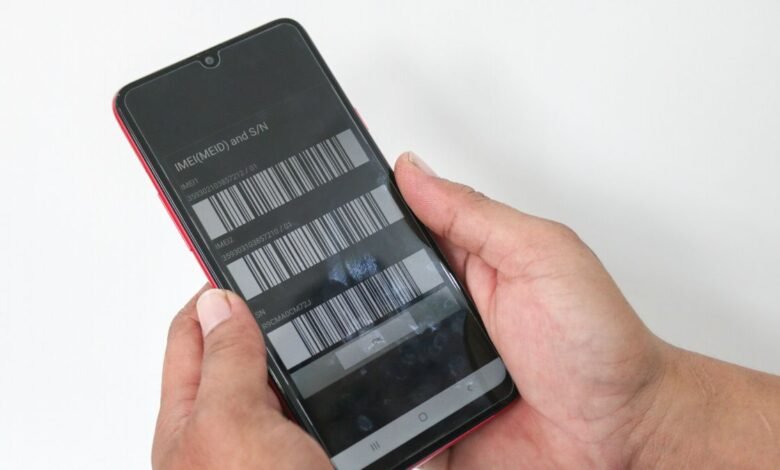
- Dial *#06# on the phone and compare the IMEI with the box and the settings screen — all three must match
- Check the IMEI on DIRBS (dirbs.pta.gov.pk or SMS to 8484) and confirm it shows as PTA approved
- Check both IMEIs on a dual-SIM phone
- Walk away if the seller resists any of this — an honest seller expects these checks
Step 2: The physical inspection
- Screen: Look for cracks at the edges, discolouration, and dead spots — open a plain white image and a black one and look carefully at both
- Body and frame: Bends, deep dents and a raised screen edge suggest drops or a swollen battery
- Ports and buttons: Plug in a charger, press every button, and check the SIM tray ejects properly
- Water damage: Many phones have a moisture indicator inside the SIM slot — pink or red means the phone has been wet
- Repairs: A screen that sits slightly proud, mismatched screws or glue traces usually mean the phone has been opened
Step 3: Battery, cameras and the everyday tests
Battery health decides whether a used phone is usable or a daily frustration. On iPhones it is shown in Settings; on Android phones, check how fast the percentage falls during your inspection and whether the back feels warm at rest. Then run the quick functional circuit: take a photo and a selfie, record ten seconds of video with sound, make a short call to test the earpiece and microphone, play audio through the speaker, and connect to Wi-Fi and mobile data. Every one of those tests takes seconds, and each one rules out a repair bill.
Step 4: Box, warranty and price sanity
A phone with its original box, matching IMEI on the box label, and a purchase receipt is worth more than the same phone loose — it is evidence of legitimate ownership, and it makes your own resale easier later. Check what the same model costs new on PhonePrice before agreeing a used price: as a rough guide, a clean, approved, boxed phone in warranty is worth paying for; a loose, out-of-warranty phone should be priced well below the new price to make sense, because you are absorbing all the risk.
The red flags that end the deal
- IMEI mismatch between the phone, the box and DIRBS — no exceptions
- “PTA patch” or unofficial approval offered instead of real registration
- A price far below every other listing for the same model — in this market, that gap is the warning
- Seller refuses a reset or will not let you insert your own SIM and test
- Factory reset protection still active — a phone that asks for the previous owner’s account after reset is unusable
Final Verdict
Buy the phone whose seller welcomes inspection. Ten minutes of checking — IMEI and DIRBS first, screen and battery second, box and paperwork third — separates the genuine bargains in Pakistan’s used market from the expensive lessons. If any red flag appears, the correct move is always the same: hand it back and find another phone.