At a glance
Biggest cell: Redmi K100, 10,000mAh (China) — CONFIRMED
Next: Turbo 6Vs 9,000mAh; Note 17 Pro 5G (Bangladesh) 8,340mAh; Redmi 17 5G 7,500mAh; V80 FE 7,000mAh
Pakistan anchors: K100 from Rs. 145,999 Expected; Turbo 6Vs Rs. 153,999 Expected; Redmi 17 5G Rs. 71,999 Expected; Redmi Note 17 Pro 5G (Bangladesh) Rs. 122,999 Expected (our product pages)
Not an anchor: V80 FE price unconfirmed everywhere
Why Capacities Jumped
Phone batteries spent years stuck near 5,000mAh, and then, within a single year, the ceiling moved to 7,000mAh and beyond it. The jump tracks the wider move to denser cell chemistries, with the Redmi K100’s silicon-carbon cell confirmed as one example of the new chemistry at work. Denser cells let manufacturers pack more energy into the same body, so a phone no longer has to grow thicker to last longer. That technical change, more than any single phone, is what moved the whole market: once one manufacturer proved a 10,000mAh phone could stay slim, the rest of the mid-range had to answer.
The Five Phones
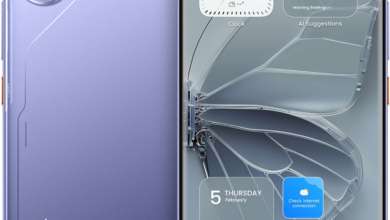
Redmi K100 (China) — 10,000mAh: silicon-carbon cell (9,800mAh rated), 100W wired plus 27W reverse and bypass charging. Pakistan anchor from Rs. 145,999 Expected on our product page.
OnePlus Turbo 6Vs — 9,000mAh: 80W wired plus 27W reverse charging. Pakistan anchor Rs. 153,999 Expected on our product page.
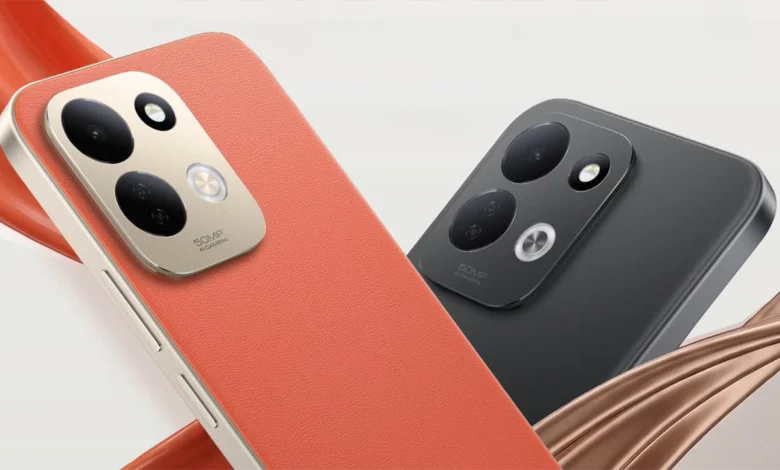
Redmi Note 17 Pro 5G (Bangladesh) — 8,340mAh: 67W wired plus 22.5W reverse charging. Bangladesh official price BDT 54,999; Pakistan Expected price Rs. 122,999 (official 8GB + 256GB) on our product page.
Redmi 17 5G (Bangladesh) — 7,500mAh: 45W charging. Bangladesh official price BDT 31,999; Pakistan Expected price Rs. 71,999 (6GB + 128GB) on our product page.
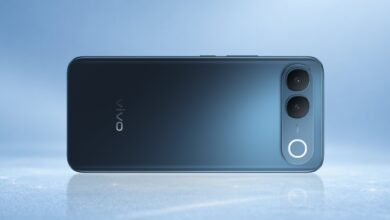
Vivo V80 FE — 7,000mAh: 90W charging, per vivo’s Philippines listing. Price unconfirmed everywhere, including Pakistan.
What Big Batteries Do Not Fix
A large battery solves one problem and leaves three standing. First, weight: a bigger cell adds grams, and a phone that lasts two days can still feel heavy on day one. Second, charging time: a 10,000mAh cell at modest wattage takes longer to refill than a 5,000mAh cell at high wattage, so buyers should check the charging figure beside the capacity figure, not instead of it. Third, longevity: capacity is a launch-day figure, and every battery loses some of it over years of cycles. A phone bought for its battery should also be a phone worth keeping for other reasons — chip, display, cameras and update promise — because the battery alone will not carry a weak phone for three years.
Who Each Phone Suits
The K100 suits buyers who want the maximum cell and the fastest charging in the group, and who are comfortable with an import. The Turbo 6Vs suits buyers who want nearly the same endurance with a simpler import story. The Note 17 Pro from Bangladesh suits buyers who want a large battery with a mid-range price anchor abroad, while the Redmi 17 5G suits buyers who want a large battery at the lowest price abroad of the five. The V80 FE suits no buyer yet: until vivo announces a price, it is a specification sheet without a proposition, and buyers should wait for the price before ranking it against the other four.
Final Verdict
The battery race is real, and it benefits buyers: 7,000mAh is now a mid-range figure, not a specialist one, and 10,000mAh is no longer a fantasy. But capacity is only the first number to check. Pair it with charging speed, weight and the phone’s other strengths, and buy on the whole package: the K100 on maximum endurance, the Turbo 6Vs on balanced endurance, and the Bangladesh pair on value abroad, while the V80 FE waits for a price to be judged at all. For Pakistan buyers, the honest position is that four of the five carry a local Expected anchor today; only the V80 FE should be watched, not bought on a foreign price alone.