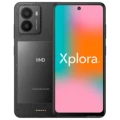
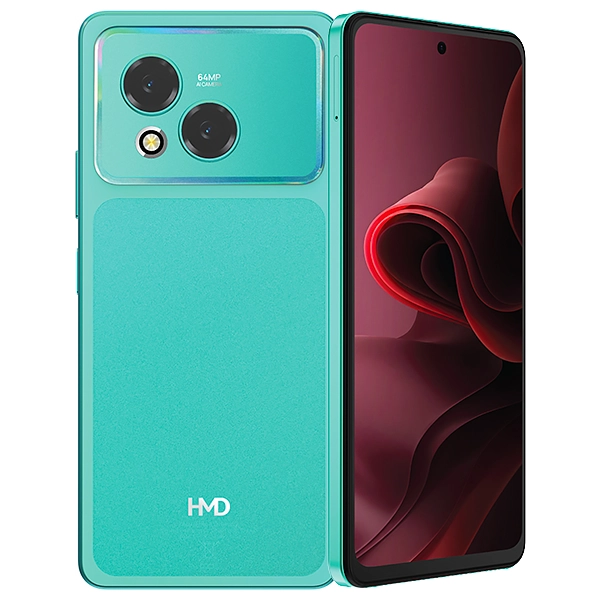
HMD Vibe2 Pro
+ CompareSCORE
- Released 2026, September 29
- OS Android 16
- Display 6.78" 1080x2460 pixels
- Camera 64MP 1080p
- RAM 6/8GB RAM Dimensity 6300
- Battery 6000mAh 33W
PROS
- 1 Sharp 6.78-inch Full HD+ display at 120Hz
- 2 6,000mAh battery with 33W charging
- 3 Stereo speakers and a 3.5mm headphone jack
- 4 5G on a budget with microSD expansion
CONS
- 1 Dimensity 6300 is an entry-level 5G chip
- 2 No NFC
- 3 USB-C is only 2.0; microSD shares the SIM slot
- 4 Not officially sold in Pakistan
Specification
Network
| Technology The mobile network technology the phone uses, such as GSM, HSPA or LTE. It determines which types of networks the phone can connect to. | GSM / HSPA / LTE / 5G |
| 2G bands The second-generation mobile network bands the phone can use for calls and basic data. Support for more bands means better compatibility with different networks. | GSM 850 / 900 / 1800 / 1900 |
| 3G bands The third-generation mobile network bands the phone supports for calls and mobile data. More supported bands mean better compatibility with different networks. | HSDPA 900 / 2100 |
| 4G bands The fourth-generation (LTE) mobile network bands the phone supports. More supported bands mean better compatibility and coverage on different networks. | 1, 3, 5, 8, 28, 40, 41 |
| 5G bands The fifth-generation mobile network bands the phone supports for faster mobile data. More supported bands mean better compatibility with different networks. | 1, 3, 5, 8, 28, 40, 41, 77, 78 SA/NSA |
| Speed The data speed the phone can support on mobile networks. Higher speeds mean faster downloads and uploads when the network supports them. | HSPA, LTE |
Body
| Weight How heavy the phone is, measured in grams. A lower weight generally makes a phone more comfortable to hold for long periods. | 197 g |
| SIM The SIM card type and number the phone accepts, such as Nano-SIM or dual SIM. It determines how many mobile connections can be used. | Nano-SIM + Nano-SIM |
Display
| Type The kind of display panel used in the phone. Different panel types affect colour, contrast and power use. | IPS LCD, 120Hz |
| Size The diagonal size of the display, measured in inches from corner to corner. | 6.78 inches |
| Resolution The number of pixels in the display, shown as width by height. Higher resolution generally means a sharper image. | 1080 x 2460 pixels (~396 ppi density) |
Platform
| OS The operating system software that runs the phone and its apps. Its version affects features, security and app compatibility. | Android 16 |
| Chipset The main processor platform that powers the device. It controls performance, power efficiency and supported features. | Mediatek Dimensity 6300 (6 nm) |
| CPU The central processing unit that runs apps and tasks. More cores and higher clock speeds generally mean faster performance. | Octa-core (2x2.4 GHz Cortex-A76 & 6x2.0 GHz Cortex-A55) |
| GPU The graphics processing unit that handles images, video and games. A more capable GPU generally gives smoother graphics and gaming. | Mali-G57 MC2 |
Memory
| Card slot A special slot for inserting a memory card. Memory cards allow you to expand the phone's built-in memory (or in the past these slots have been used to add some missing features such as Wi-Fi connectivity). Memory cards have different capacities and are used to store and transfer files between compatible devices. There are several types of memory cards. The most popular and frequently used by mobile phone manufacturers is microSD; however, up until recently Sony Ericsson exclusively used the Memory Stick Micro (M2) card type developed by Sony. | microSDXC (shared SIM slot) |
| Internal Storage The built-in storage space for apps, photos and files, measured in gigabytes. More storage lets you keep more content on the phone. | 128 GB |
| RAM The memory the phone uses to run apps and keep them open in the background, measured in gigabytes. More RAM generally helps multitasking run smoothly. | 6/8 GB |
| Variant A phone variant is a specific model or version of a phone that differs slightly from other versions of the same phone from the same manufacturer. These differences can include variations in colors, sizes, features, specifications, or other attributes that distinguish one variant from another. For example, smartphones can have different storage capacities and colors, and different iPhone variants can have different cellular bands. | 6GB 128GB / 8GB 128GB |
Camera
| Dual A camera is a device that captures light and processes it into an image. It does this through a lens, which focuses the light onto a light-sensitive surface where a picture is formed. This could be film in traditional cameras or an electronic sensor in digital cameras. | 64 MP, (wide), 1/1.73", PDAF; 2 MP (macro) |
| Features Additional functions included for that part of the phone, such as special modes or enhancements. The list shows which extra functions are supported. | LED flash, HDR |
| Video The meaning of VIDEO CAMERA is a camera that records video and usually audio | 1080p@30fps |
| Selfie camera The front-facing camera used for self-portraits and video calls. Higher megapixels can give more detail, along with features such as autofocus or flash. | 13 MP |
More
| Loudspeaker The built-in speaker used for calls on speakerphone, music and videos. It states whether the phone has one and its type, such as stereo speakers. | Yes, with stereo speakers |
| 3.5mm jack A round headphone port for wired headphones and audio accessories. If present, wired audio can be used without an adapter. | Yes |
| WLAN The Wi-Fi standards the phone supports for wireless internet. Newer standards generally offer faster speeds and better connections. | Wi-Fi 802.11 a/b/g/n/ac, dual-band |
| Bluetooth A short-range wireless technology for connecting accessories such as headphones and speakers. A newer version generally offers better range, speed and power efficiency. | 5.2, A2DP, LE |
| GPS Satellite positioning used to find the phone location for maps and navigation. Support for more satellite systems can improve accuracy. | GPS, Beidou, Galileo, Glonass |
| NFC Near Field Communication, a short-range wireless feature for contactless payments and quick pairing. It works only over very short distances. | No |
| USB The USB port used for charging and data transfer. Newer USB versions generally offer faster transfer speeds and a reversible connector. | USB Type-C 2.0 |
| Infrared port An infrared (IR) port is a port on an electronic device that sends and receives data using infrared light. IR ports were commonly used in wireless devices to allow for fast communication with other devices, such as base stations. IR ports work by allowing two devices to face each other and share data using infrared rays within a range of 10 meters. | |
| Sensors Built-in sensors that detect motion, light, position and other conditions. They enable features such as auto-rotation, face unlock and navigation. | Fingerprint (side-mounted), accelerometer, proximity |
| Battery Type The kind of battery used in the phone and whether it can be removed. It describes the battery technology and form. | Li-Ion |
| Battery Capacity The size of the battery, measured in milliamp-hours (mAh). A higher capacity usually means longer use between charges. | 6000 mAh |
| Charging How the battery is charged, including wired and wireless charging speeds in watts. Higher wattage usually means faster charging. | 33W wired |
| Made by The company that makes the device. It names the manufacturer responsible for the phone. | Finland |
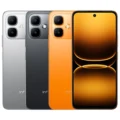
| Color The color options in which the phone is available. Color choice does not affect performance or features. | Silver Mist, Cosmic Purple, Aqua Green |
Disclaimer
We do not guarantee that the information of this page is 100% accurate and up to date. Read more
HMD Vibe2 Pro Overview
The HMD Vibe2 Pro was released on September 29, 2026, as HMD’s budget 5G phone. It pairs a sharp 6.78-inch Full HD+ display at 120Hz with a Dimensity 6300 chip, a 64MP main camera and a 6,000mAh battery. HMD does not officially sell it in Pakistan, so the Pakistan price is not yet confirmed.
Key Highlights
- 6.78-inch IPS LCD, 1080 x 2460 pixels, 120Hz
- Dimensity 6300, 6GB or 8GB RAM, 128GB storage plus microSDXC
- 64MP main camera with a 2MP macro; 13MP selfie camera
- 6,000mAh battery with 33W wired charging
- Stereo speakers and a 3.5mm headphone jack
- Android 16
Display and Performance
The Full HD+ resolution at 120Hz is the Vibe2 Pro’s strongest card — many budget 5G phones still ship HD+ screens. The Dimensity 6300 handles everyday apps and 5G browsing comfortably, but it is an entry-level chip; heavy gaming is beyond it.
Cameras and Battery
The 64MP main camera with PDAF is joined by a basic 2MP macro, with 1080p video, and the selfie camera is 13MP. The 6,000mAh battery with 33W charging should comfortably last a full day of heavy use.
HMD Vibe2 Pro Price in Pakistan
The price is not yet confirmed. The Vibe2 Pro is expected around BDT 25,000 in Bangladesh, but HMD has no official Pakistan channel for it. Imported units would be non-PTA until registered through DIRBS.
Final Verdict: Should You Buy It in Pakistan?
On paper the Vibe2 Pro is a sensible budget 5G package — screen, battery and speakers all beat the class average. In Pakistan it only competes if importers price it keenly against local Infinix, Tecno and Redmi rivals with official warranties.