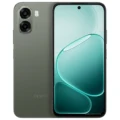
Oppo K15
+ Compare 83% SPEC
SCORE
SCORE
₨ 113,999
- Released 2026, July 24
- OS Android 16, ColorOS 16
- Display 6.59" 1256x2760 pixels
- Camera 50MP 2160p
- RAM 12GB RAM Dimensity 7360 Super
- Battery 8000mAh 80W
Specification
Network
| Technology | GSM / HSPA / LTE / 5G |
| 2G bands | GSM 850 / 900 / 1800 / 1900 |
| 3G bands | HSDPA 850 / 900 / 2100 |
| 4G bands | 1, 3, 5, 8, 19, 28, 34, 38, 39, 40, 41, 42, 43, 48 |
| 5G bands | 1, 3, 5, 8, 28, 34, 38, 39, 40, 41, 48, 77, 78 SA/NSA |
| Speed | HSPA, LTE, 5G |
Body
| Dimensions | - |
| Weight | - |
| Build | - |
| SIM | Nano-SIM + Nano-SIM |
| Others | Built-in cooling fan IP68/IP69 dust tight and water resistant (high pressure water jets; immersible up to 1.5m for 30 min) RGB LED lights (on the back) |
Display
| Type | AMOLED, 1B colors, 120Hz |
| Size | 6.59 inches, 105.6 cm2 (~88.9% screen-to-body ratio) |
| Resolution | 1256 x 2760 pixels (~460 ppi density) |
Platform
| OS | Android 16, ColorOS 16 |
| Chipset | Mediatek Dimensity 7360 Super (4 nm) |
| CPU | Octa-core (4x2.5 GHz Cortex-A78 & 4x2.0 GHz Cortex-A55) |
| GPU | Mali-G615 MC2 |
Memory
| Card slot A special slot for inserting a memory card. Memory cards allow you to expand the phone's built-in memory (or in the past these slots have been used to add some missing features such as Wi-Fi connectivity). Memory cards have different capacities and are used to store and transfer files between compatible devices. There are several types of memory cards. The most popular and frequently used by mobile phone manufacturers is microSD; however, up until recently Sony Ericsson exclusively used the Memory Stick Micro (M2) card type developed by Sony. | No |
| Internal Storage | 256 GB |
| RAM | 12 GB |
| Variant A phone variant is a specific model or version of a phone that differs slightly from other versions of the same phone from the same manufacturer. These differences can include variations in colors, sizes, features, specifications, or other attributes that distinguish one variant from another. For example, smartphones can have different storage capacities and colors, and different iPhone variants can have different cellular bands. | 12GB 256GB |
Camera
| Dual A camera is a device that captures light and processes it into an image. It does this through a lens, which focuses the light onto a light-sensitive surface where a picture is formed. This could be film in traditional cameras or an electronic sensor in digital cameras. | 50 MP, f/1.8, (wide), PDAF, OIS 50 MP, f/2.2, (ultrawide) |
| Features | Color spectrum sensor, LED flash, panorama |
| Video The meaning of VIDEO CAMERA is a camera that records video and usually audio | 4K@30/60fps, 1080p@30/60/120/240fps, gyro-EIS |
| Selfie camera | 50 MP, (wide) |
More
| Loudspeaker | Yes, with stereo speakers |
| 3.5mm jack | No |
| WLAN | Wi-Fi 802.11 a/b/g/n/ac/6, dual-band |
| Bluetooth | 5.4, A2DP, LE, aptX HD, LHDC 5 |
| GPS | GPS (L1+L5), BDS (B1I+B1c+B2a), GALILEO (E1+E5a+E5b), QZSS (L1+L5), NavIC (L5), GLONASS |
| NFC | Yes |
| FM radio Mobile phones that support FM radio have a dedicated FM radio receiver chip. This chip is responsible for receiving FM radio signals and converting them into audio signals that can be played through the phone's speakers or headphones. | No |
| USB | USB Type-C 2.0, OTG |
| Infrared port An infrared (IR) port is a port on an electronic device that sends and receives data using infrared light. IR ports were commonly used in wireless devices to allow for fast communication with other devices, such as base stations. IR ports work by allowing two devices to face each other and share data using infrared rays within a range of 10 meters. | |
| Sensors | Fingerprint (under display, optical), accelerometer, gyro, proximity, compass |
| Battery Type | Non-removable Si/C Li-Ion |
| Battery Capacity | 8000 mAh |
| Charging | 80W wired, 44W/80W UFCS, 55W PPS, 13.5W PD Reverse wired Bypass charging |
| Made by | China |
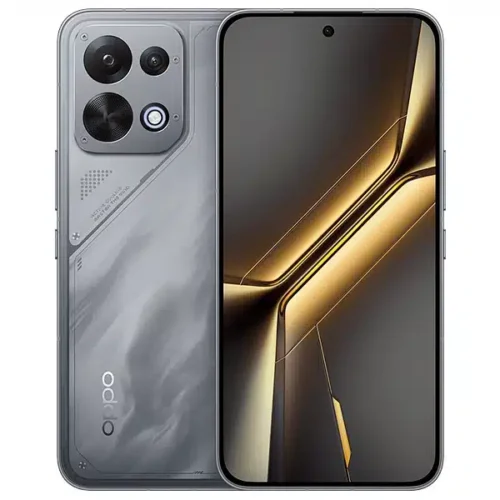
| Color | Gray, Silver |
Disclaimer
We do not guarantee that the information of this page is 100% accurate and up to date. Read more
Oppo K15 Price in Pakistan
The Oppo K15 is available in Pakistan with a price of ₨ 113,999. It features a 6.59-inch AMOLED display, a MediaTek Dimensity 7360 Super chipset, and an 8000mAh battery.
Variant: 12GB RAM and 256GB storage: ₨ 113,999.
Due to the high-capacity 8000mAh battery and large RAM capacity, price adjustments for future variants are expected to scale proportionally based on storage upgrades.
| Model | Oppo K15 |
| Price | ₨ 113,999 |
| Display | 6.59 inches AMOLED |
| RAM | 12 GB |
| ROM | 256 GB |
| Released | 2024, July 24 |
Value Verdict & Target Audience
- Targeted at users requiring long battery endurance via an 8000mAh capacity.
- Suitable for mobile gamers needing a built-in cooling fan and 120Hz display refresh rate.
- Provides 5G connectivity and an IP68/IP69 dust and water resistance rating.
Display
- AMOLED, 1B colors, 120Hz refresh rate
- 6.59 inches, ~88.9% screen-to-body ratio
- 1256 x 2760 pixels resolution (~460 ppi density)
Processor & Performance
- Mediatek Dimensity 7360 Super (4 nm) chipset
- Octa-core CPU (4×2.5 GHz Cortex-A78 & 4×2.0 GHz Cortex-A55)
- Mali-G615 MC2 GPU
- Built-in cooling fan
RAM & Storage
- 12 GB RAM
- 256 GB internal storage
- No card slot for expandable storage
Main Camera / Rear Camera
- 50 MP, f/1.8, (wide), PDAF, OIS
- 50 MP, f/2.2, (ultrawide)
- Color spectrum sensor, LED flash, panorama
- Video recording up to 4K@30/60fps, 1080p@30/60/120/240fps with gyro-EIS
Front Camera / Selfie Camera
- 50 MP, (wide)
Battery & Charging
- Non-removable Si/C Li-Ion 8000 mAh battery
- 80W wired charging
- 44W/80W UFCS, 55W PPS, 13.5W PD support
- Reverse wired and bypass charging support
Sensors & Security
- Fingerprint (under display, optical)
- Accelerometer, gyro, proximity, compass
Software
- Android 16, ColorOS 16
SIM & Connectivity
- Nano-SIM + Nano-SIM (Dual standby)
- GSM / HSPA / LTE / 5G network technology
- Wi-Fi 802.11 a/b/g/n/ac/6, dual-band
- Bluetooth 5.4 with A2DP, LE, aptX HD, LHDC 5
- GPS (L1+L5), BDS, GALILEO, QZSS, NavIC, GLONASS
- NFC supported
- USB Type-C 2.0 with OTG
- Stereo speakers, no 3.5mm jack, no FM radio
Design & Build
- Dimensions: Not specified
- Weight: Not specified
- IP68/IP69 dust tight and water resistant (high pressure water jets; immersible up to 1.5m for 30 min)
- RGB LED lights on the back
- Colors: Gray, Silver