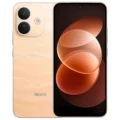
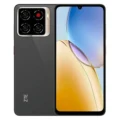
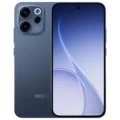
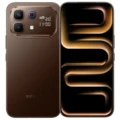
Xiaomi Redmi M100
+ CompareSCORE

- Released 2026, August 19
- OS Android 16, HyperOS 3
- Display 6.9" 720x1600 pixels
- Camera 13MP 1080p
- RAM 6/8GB RAM Snapdragon 4 Gen 5
- Battery 7900mAh 45W
PROS
- 1 Snapdragon 8 Elite Gen 5 with 16GB RAM and UFS 4.1
- 2 6.59-inch 185Hz AMOLED display with HDR10+
- 3 200MP, 50MP telephoto, 8MP ultrawide camera with OIS
- 4 8580mAh battery with 100W wired and 50W wireless charging
- 5 IP68/IP69, Wi-Fi 7, ultrasonic fingerprint sensor
CONS
- 1 No microSD card slot
- 2 No 3.5mm headphone jack
- 3 8MP ultrawide camera is relatively basic for a flagship
- 4 Heavy at 218g
Specification
Network
| Technology The mobile network technology the phone uses, such as GSM, HSPA or LTE. It determines which types of networks the phone can connect to. | GSM / HSPA / LTE / 5G |
| 2G bands The second-generation mobile network bands the phone can use for calls and basic data. Support for more bands means better compatibility with different networks. | GSM 850 / 900 / 1800 / 1900 |
| 3G bands The third-generation mobile network bands the phone supports for calls and mobile data. More supported bands mean better compatibility with different networks. | HSDPA 800 / 850 / 900 / 1700(AWS) / 1900 / 2100 |
| 4G bands The fourth-generation (LTE) mobile network bands the phone supports. More supported bands mean better compatibility and coverage on different networks. | LTE |
| 5G bands The fifth-generation mobile network bands the phone supports for faster mobile data. More supported bands mean better compatibility with different networks. | SA/NSA |
| Speed The data speed the phone can support on mobile networks. Higher speeds mean faster downloads and uploads when the network supports them. | HSPA, LTE, 5G |
Body
| Dimensions The height, width and thickness of the phone, usually measured in millimetres. Smaller dimensions generally make a phone easier to hold. | 170.1 x 78.4 x 8.8 mm (6.70 x 3.09 x 0.35 in) |
| Weight How heavy the phone is, measured in grams. A lower weight generally makes a phone more comfortable to hold for long periods. | 232 g (8.18 oz) |
| Build The materials and construction used for the phone body, such as the front glass, back and frame. | Glass front (Gorilla Glass 7i), plastic back or silicone polymer (eco leather) back, plastic frame |
| SIM The SIM card type and number the phone accepts, such as Nano-SIM or dual SIM. It determines how many mobile connections can be used. | Nano-SIM + Nano-SIM |
| Others Additional specifications that do not fit the other categories. This lists any remaining relevant details about the phone. | IP64 dust tight and water resistant (water splashes) RGB light (on the back) |
Display
| Type The kind of display panel used in the phone. Different panel types affect colour, contrast and power use. | IPS LCD, 120Hz, 825 nits (HBM) |
| Size The diagonal size of the display, measured in inches from corner to corner. | 6.9 inches, 114.9 cm2 (~86.2% screen-to-body ratio) |
| Resolution The number of pixels in the display, shown as width by height. Higher resolution generally means a sharper image. | 720 x 1600 pixels, 20:9 ratio (~254 ppi density) |
| Protection Protection applied to the display or body, such as strengthened glass or water and dust resistance ratings. | Corning Gorilla Glass 7i |
Platform
| OS The operating system software that runs the phone and its apps. Its version affects features, security and app compatibility. | Android 16, HyperOS 3 |
| Chipset The main processor platform that powers the device. It controls performance, power efficiency and supported features. | Qualcomm Snapdragon 4 Gen 5 |
| CPU The central processing unit that runs apps and tasks. More cores and higher clock speeds generally mean faster performance. | Octa-core 2.4 GHz |
| GPU The graphics processing unit that handles images, video and games. A more capable GPU generally gives smoother graphics and gaming. | Adreno |
Memory
| Card slot A special slot for inserting a memory card. Memory cards allow you to expand the phone's built-in memory (or in the past these slots have been used to add some missing features such as Wi-Fi connectivity). Memory cards have different capacities and are used to store and transfer files between compatible devices. There are several types of memory cards. The most popular and frequently used by mobile phone manufacturers is microSD; however, up until recently Sony Ericsson exclusively used the Memory Stick Micro (M2) card type developed by Sony. | microSDXC (uses shared SIM slot) |
| Internal Storage The built-in storage space for apps, photos and files, measured in gigabytes. More storage lets you keep more content on the phone. | 128/256 GB UFS 2.2 |
| RAM The memory the phone uses to run apps and keep them open in the background, measured in gigabytes. More RAM generally helps multitasking run smoothly. | 6/8 GB |
| Variant A phone variant is a specific model or version of a phone that differs slightly from other versions of the same phone from the same manufacturer. These differences can include variations in colors, sizes, features, specifications, or other attributes that distinguish one variant from another. For example, smartphones can have different storage capacities and colors, and different iPhone variants can have different cellular bands. | 6GB 128GB / 6GB 256GB / 8GB 256GB |
Camera
| Single A camera is a device that captures light and processes it into an image. It does this through a lens, which focuses the light onto a light-sensitive surface where a picture is formed. This could be film in traditional cameras or an electronic sensor in digital cameras. | 13 MP |
| Features Additional functions included for that part of the phone, such as special modes or enhancements. The list shows which extra functions are supported. | LED flash, HDR |
| Video The meaning of VIDEO CAMERA is a camera that records video and usually audio | 1080p@30fps |
| Selfie camera The front-facing camera used for self-portraits and video calls. Higher megapixels can give more detail, along with features such as autofocus or flash. | 5 MP |
More
| Loudspeaker The built-in speaker used for calls on speakerphone, music and videos. It states whether the phone has one and its type, such as stereo speakers. | Yes, with stereo speakers (with Dolby Atmos) |
| 3.5mm jack A round headphone port for wired headphones and audio accessories. If present, wired audio can be used without an adapter. | Yes 24-bit/192kHz Hi-Res audio |
| WLAN The Wi-Fi standards the phone supports for wireless internet. Newer standards generally offer faster speeds and better connections. | Wi-Fi 802.11 a/b/g/n/ac/6/7, dual-band, Wi-Fi Direct |
| Bluetooth A short-range wireless technology for connecting accessories such as headphones and speakers. A newer version generally offers better range, speed and power efficiency. | 5.1, A2DP, LE |
| GPS Satellite positioning used to find the phone location for maps and navigation. Support for more satellite systems can improve accuracy. | GPS, GLONASS, GALILEO, BDS |
| NFC Near Field Communication, a short-range wireless feature for contactless payments and quick pairing. It works only over very short distances. | Yes |
| FM radio Mobile phones that support FM radio have a dedicated FM radio receiver chip. This chip is responsible for receiving FM radio signals and converting them into audio signals that can be played through the phone's speakers or headphones. | No |
| USB The USB port used for charging and data transfer. Newer USB versions generally offer faster transfer speeds and a reversible connector. | USB Type-C 2.0 |
| Infrared port An infrared (IR) port is a port on an electronic device that sends and receives data using infrared light. IR ports were commonly used in wireless devices to allow for fast communication with other devices, such as base stations. IR ports work by allowing two devices to face each other and share data using infrared rays within a range of 10 meters. | |
| Sensors Built-in sensors that detect motion, light, position and other conditions. They enable features such as auto-rotation, face unlock and navigation. | Fingerprint (side-mounted), accelerometer, compass Virtual proximity sensing |
| Battery Type The kind of battery used in the phone and whether it can be removed. It describes the battery technology and form. | Non-removable Si/C Li-Ion |
| Battery Capacity The size of the battery, measured in milliamp-hours (mAh). A higher capacity usually means longer use between charges. | 7900 mAh |
| Charging How the battery is charged, including wired and wireless charging speeds in watts. Higher wattage usually means faster charging. | 45W wired, PPS 22.5W reverse wired |
| Made by The company that makes the device. It names the manufacturer responsible for the phone. | China |
| Color The color options in which the phone is available. Color choice does not affect performance or features. | Black, White, Oak Green |
Disclaimer
We do not guarantee that the information of this page is 100% accurate and up to date. Read more
Xiaomi Redmi M100 Price in Pakistan
| Model | Xiaomi Redmi M100 |
| Price | Rs. 98,999 |
| Display | 6.9″ 720×1600 pixels |
| RAM | 6/8 GB |
| ROM | 128/256 GB |
| Released | 2026, August |
Xiaomi Redmi M100 Overview & Expert Analysis
Positioned in the budget-friendly market, the Xiaomi Redmi M100 targets people wanting remarkable battery life and a big display for daily media consumption. The front is dominated by a wide 6.9-inch IPS LCD panel offering a fluid 120Hz refresh rate and up to 825 nits of High Brightness Mode for great outdoor visibility. However, the HD+ (720×1600) resolution on such a huge screen results in a low 254 ppi density, meaning text won’t appear as razor-sharp as on conventional 1080p screens. Powering the gadget is Qualcomm’s 4nm Snapdragon 4 Gen 5 CPU combined with up to 8GB of RAM and 256GB of UFS 2.2 storage. Running on Android 16 with HyperOS 3, this entry-level silicon handles basic web browsing, social media, and video streaming effectively, but heavy multitasking and strenuous 3D gaming will strain its boundaries. The smartphone’s most defining feature is its huge 7,900mAh battery, delivering remarkable multi-day endurance that readily minimizes power anxiety.
It enables 45W wired fast charging, alongside a highly practical 22.5W reverse wired charging capability to charge other devices like a power bank. The optical array is strictly functional, utilizing a basic 13MP rear sensor and a 5MP front-facing camera capped at 1080p video recording, making it appropriate for recreational photography and video calls rather than high-end content creation. Encased in a plastic chassis coated by Gorilla Glass 7i, the hefty 232g device boasts an IP64 grade for water splash and dust resistance. Rounding off its utility-driven design, the Redmi M100 boasts stereo speakers with Dolby Atmos, a 3.5mm headphone connector, NFC, Wi-Fi 7, and a side-mounted fingerprint scanner.
Questions and opinions about Xiaomi Redmi M100
When will it be released?
It was officially announced and released in China on August 19, 2026.
What is the price of the Xiaomi Redmi M100?
The expected price starts at approximately ₨ 98,999 in Pakistan (or roughly $296 globally), varying slightly by RAM and storage configuration.
How much RAM and ROM does it contain?
It features 6GB or 8GB of RAM paired with 128GB or 256GB of UFS 2.2 internal storage. It supports expandable storage via a shared microSDXC slot.
Which type of display panel is used?
It features an expansive 6.9-inch IPS LCD screen with a 120Hz refresh rate, 825 nits of peak brightness, and Corning Gorilla Glass 7i protection, though it is limited to an HD+ (720x1600) resolution.
What are the processor and chipset?
It is powered by the 4nm Qualcomm Snapdragon 4 Gen 5 chipset, featuring an octa-core CPU (clocked up to 2.4 GHz) and an Adreno GPU.
How does it handle PUBG Mobile, Free Fire, and gaming thermals?
The Snapdragon 4 Gen 5 easily runs PUBG Mobile at a stable 40 FPS on Smooth settings and Free Fire at a steady 60 FPS smoothly. The 4nm chipset offers excellent thermal management, preventing severe throttling during long gaming sessions.
What are the camera and video capabilities?
The camera system is strictly basic, featuring a single 13MP primary rear camera and a 5MP front-facing camera. Both sensors are capable of standard 1080p video recording at 30fps.
Does it support a 5G network?
Yes, it fully supports 5G (SA/NSA) network connectivity.
What is the battery capacity?
It packs a massive 7,900mAh battery that supports 45W wired fast charging and 22.5W reverse wired charging.
What sensors does this phone have?
It includes a side-mounted fingerprint scanner, accelerometer, compass, and a virtual proximity sensor.