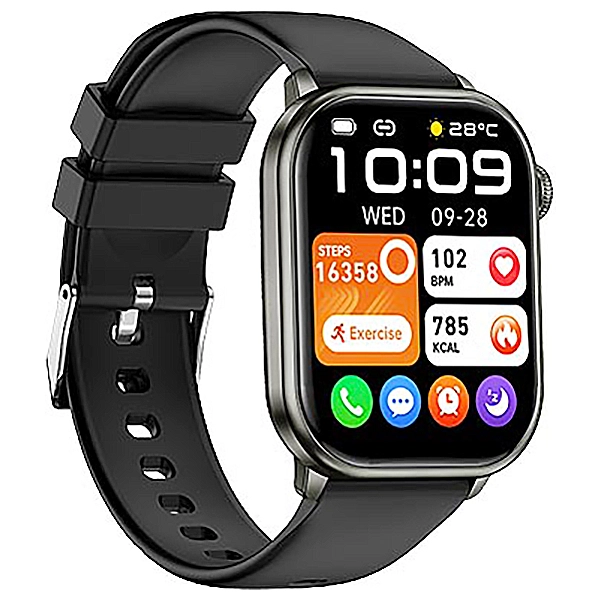
ZEED Z-Watch Active
+ CompareSCORE
- Released 3 November 2026
- OS Zeed WatchOS
- Display 2.01 Inches
- Camera No
- RAM
- Battery 600 mAh
PROS
- 1 Large 2.01-inch IPS LCD display
- 2 IP68 water resistance
- 3 600 mAh battery for long use
- 4 Heart rate and SpO2 health sensors
- 5 Bluetooth 5.4 connectivity
- 6 Loudspeaker for calls and alerts
- 7 Lightweight at just 45 g
CONS
- 1 No camera
- 2 No cellular connectivity
- 3 No Wi-Fi, NFC or USB port
- 4 No memory card slot
- 5 Only 64 MB of storage
- 6 Chipset not disclosed
Specification
Network
| Technology The mobile network technology the phone uses, such as GSM, HSPA or LTE. It determines which types of networks the phone can connect to. | No cellular connectivity |
Body
| Dimensions The height, width and thickness of the phone, usually measured in millimetres. Smaller dimensions generally make a phone easier to hold. | 48.3 x 39 x 12 mm (1.90 x 1.54 x 0.47 in) |
| Weight How heavy the phone is, measured in grams. A lower weight generally makes a phone more comfortable to hold for long periods. | 45 g (1.59 oz) |
| Build The materials and construction used for the phone body, such as the front glass, back and frame. | Plastic back, plastic frame |
| SIM The SIM card type and number the phone accepts, such as Nano-SIM or dual SIM. It determines how many mobile connections can be used. | No |
| Others Additional specifications that do not fit the other categories. This lists any remaining relevant details about the phone. | IP68 dust tight and water resistant (immersible up to 1.5m for 30 min) |
Display
| Type The kind of display panel used in the phone. Different panel types affect colour, contrast and power use. | IPS LCD |
| Size The diagonal size of the display, measured in inches from corner to corner. | 2.01 inches |
| Resolution The number of pixels in the display, shown as width by height. Higher resolution generally means a sharper image. | 240 x 296 pixels (~190 ppi density) |
Platform
| OS The operating system software that runs the phone and its apps. Its version affects features, security and app compatibility. | Zeed WatchOS |
Memory
| Card slot A special slot for inserting a memory card. Memory cards allow you to expand the phone's built-in memory (or in the past these slots have been used to add some missing features such as Wi-Fi connectivity). Memory cards have different capacities and are used to store and transfer files between compatible devices. There are several types of memory cards. The most popular and frequently used by mobile phone manufacturers is microSD; however, up until recently Sony Ericsson exclusively used the Memory Stick Micro (M2) card type developed by Sony. | No |
| Internal Storage The built-in storage space for apps, photos and files, measured in gigabytes. More storage lets you keep more content on the phone. | 64 MB |
Camera
| Single A camera is a device that captures light and processes it into an image. It does this through a lens, which focuses the light onto a light-sensitive surface where a picture is formed. This could be film in traditional cameras or an electronic sensor in digital cameras. | No |
More
| Loudspeaker The built-in speaker used for calls on speakerphone, music and videos. It states whether the phone has one and its type, such as stereo speakers. | Yes |
| 3.5mm jack A round headphone port for wired headphones and audio accessories. If present, wired audio can be used without an adapter. | No |
| WLAN The Wi-Fi standards the phone supports for wireless internet. Newer standards generally offer faster speeds and better connections. | No |
| Bluetooth A short-range wireless technology for connecting accessories such as headphones and speakers. A newer version generally offers better range, speed and power efficiency. | 5.4, A2DP, LE |
| GPS Satellite positioning used to find the phone location for maps and navigation. Support for more satellite systems can improve accuracy. | No |
| NFC Near Field Communication, a short-range wireless feature for contactless payments and quick pairing. It works only over very short distances. | No |
| FM radio Mobile phones that support FM radio have a dedicated FM radio receiver chip. This chip is responsible for receiving FM radio signals and converting them into audio signals that can be played through the phone's speakers or headphones. | No |
| USB The USB port used for charging and data transfer. Newer USB versions generally offer faster transfer speeds and a reversible connector. | No |
| Infrared port An infrared (IR) port is a port on an electronic device that sends and receives data using infrared light. IR ports were commonly used in wireless devices to allow for fast communication with other devices, such as base stations. IR ports work by allowing two devices to face each other and share data using infrared rays within a range of 10 meters. | |
| Sensors Built-in sensors that detect motion, light, position and other conditions. They enable features such as auto-rotation, face unlock and navigation. | Accelerometer, heart rate, SpO2 |
| Battery Type The kind of battery used in the phone and whether it can be removed. It describes the battery technology and form. | Non-removable Li-Po |
| Battery Capacity The size of the battery, measured in milliamp-hours (mAh). A higher capacity usually means longer use between charges. | 600 mAh |
| Made by The company that makes the device. It names the manufacturer responsible for the phone. | Turkey |
| Color The color options in which the phone is available. Color choice does not affect performance or features. | Black, Gold, Silver |
Disclaimer
We do not guarantee that the information of this page is 100% accurate and up to date. Read more
ZEED Z-Watch Active overview
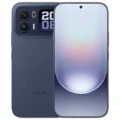
The ZEED Z-Watch Active is a smartwatch from ZEED, released on 3 November 2026. It is a straightforward everyday smartwatch built around a large 2.01-inch IPS LCD display, health tracking and a 600 mAh battery, and it comes in Black, Gold and Silver.
No price has been confirmed for the ZEED Z-Watch Active yet, so the price field on this page is left blank until an official figure is announced.
Display and design
The watch has a 2.01-inch IPS LCD display with a resolution of 240 x 296 pixels (about 190 pixels per inch), which is roomy for a smartwatch and keeps watch faces, notifications and workout data easy to read. The case measures 48.3 x 39 x 12 mm and weighs 45 g, with a plastic back and plastic frame. It is rated IP68, so it is dust-tight and water resistant, and it can be immersed in water up to 1.5 metres for 30 minutes.
Health, battery and connectivity
Health tracking covers the essentials: an accelerometer, a heart rate sensor and a SpO2 sensor, and a loudspeaker handles calls and alerts. The 600 mAh non-removable Li-Po battery is the watch’s strongest point, and it runs Zeed WatchOS.
Connectivity is by Bluetooth 5.4 (with A2DP and LE) only. The watch has no cellular connectivity, no Wi-Fi, no NFC, no FM radio and no USB port, and it has no camera. Storage is 64 MB with no memory card slot, and ZEED has not disclosed the chipset.
Final Verdict: The ZEED Z-Watch Active is a simple, light smartwatch that covers the basics well: a large 2.01-inch display, IP68 water resistance, heart rate and SpO2 tracking, and a 600 mAh battery. Its limits are plain too – no camera, no cellular connectivity, no Wi-Fi or NFC, and only 64 MB of storage – so it suits buyers who want a basic fitness and notifications watch and are happy to wait for a confirmed price.