Samsung’s Memory Deals Explained: Why Your Next Phone Will Cost More
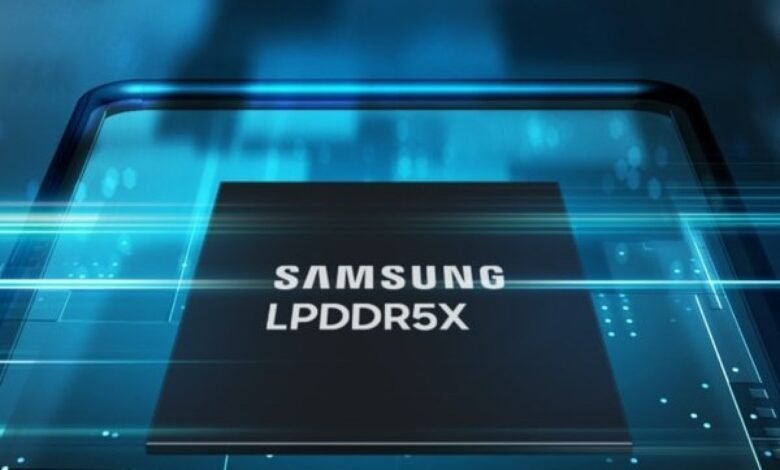
Samsung has reportedly signed five-year memory deals that reserve most of its chip output for big tech buyers before a single phone maker gets a look in. According to a Yonhap News report, 70% of Samsung’s general-purpose DRAM supply for next year and 100% of its high-bandwidth memory (HBM) production are already spoken for — and the remaining 30% of DRAM is being fought over. For phone buyers, this is the upstream cause of the price rises that have been arriving model by model all autumn.
The numbers behind the shortage
HBM prices are expected to jump between 150 and 200% next year, driven by AI data-centre demand. Ordinary DRAM — the memory that goes into phones — is expected to post a double-digit price increase in the first quarter of 2027 alone. Samsung’s chip division is recording record profits from the shortage, which tells you who the shortage is good for: the company selling the chips, not the companies or customers buying finished devices.
Samsung against Samsung
The sharpest detail is internal. Samsung’s phone division has to compete for DRAM against the same big-tech customers its own chip division just signed up. The Galaxy S27 series is therefore expected to launch with price increases — not because Samsung wants to charge more for the phones, but because one half of the company is selling the other’s key component into a bidding war. Every rival phone maker faces the same market without even the option of an internal phone call.
What it means in Pakistan
Pakistan has already had a round of this: realme, TECNO and Infinix raised prices across their line-ups on 1 October, as we tracked in our October price-hike report. The Samsung deals say the pressure is structural, not a one-month event. Expect the pattern to repeat into 2027: base models holding their headline prices by cutting memory, higher-RAM variants absorbing the increases, and budget line-ups quietly moving from 8GB to 6GB configurations at the same price points. For buyers, the practical advice follows from the direction of the market — a phone bought at today’s price is unlikely to be undercut by its successor, and waiting for next year’s model to be cheaper is betting against a signed five-year contract.