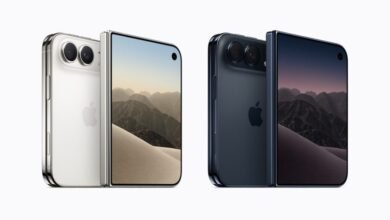
iPhone 20 Rumors: Bezel-Less Display, 200MP Camera and Android Impact
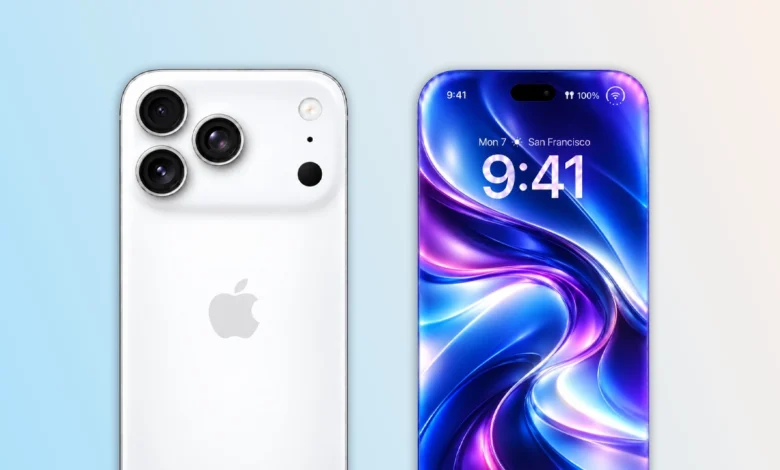
Twenty years after the first iPhone, Apple is reportedly preparing the kind of redesign it saves for anniversaries. Reports from Bloomberg, The Information and the supply chain in Asia describe a 20th-anniversary iPhone for September 2027 with a display that curves over all four edges, no visible cutout of any kind, and possibly the first 200MP camera on an iPhone. Apple is even expected to skip the iPhone 19 name entirely and jump straight to iPhone 20, the same trick it pulled when the iPhone X marked ten years in 2017.
None of this is confirmed, and some of it is contested by the very analysts who track Apple’s display plans. Here is what the reports actually say, where they disagree, and why Android makers are paying close attention.
- Design: mostly-glass body, codename “Glasswing”, screen curving over all four edges (Bloomberg)
- Front: under-display Face ID and selfie camera, no Dynamic Island (The Information)
- Buttons: solid-state, buttonless frame in the latest leak roundups
- Camera: 200MP main sensor tipped for the anniversary generation; Morgan Stanley puts it in 2028 instead
- Chip: A21 on a 2nm process, with high-bandwidth mobile memory in some reports
- Launch: September 2027, twenty years after the original iPhone
A Sheet of Glass: The Glasswing Design
Bloomberg’s Mark Gurman has reported that Apple’s anniversary project is internally codenamed “Glasswing”, after the glasswing butterfly, and that the goal is a phone that looks like a single sheet of glass. The display does not just curve down the left and right sides the way Samsung’s old Edge screens did. It curves over the top and bottom edges as well, so the screen itself becomes the border and the visible bezel effectively disappears.
Gurman has called the idea the “iPhone X design on steroids”, and he has linked it to software as well as hardware: the Liquid Glass design language Apple introduced with iOS 26 was reportedly drawn with this curved hardware in mind, so the interface and the glass are meant to meet without a hard edge between them.
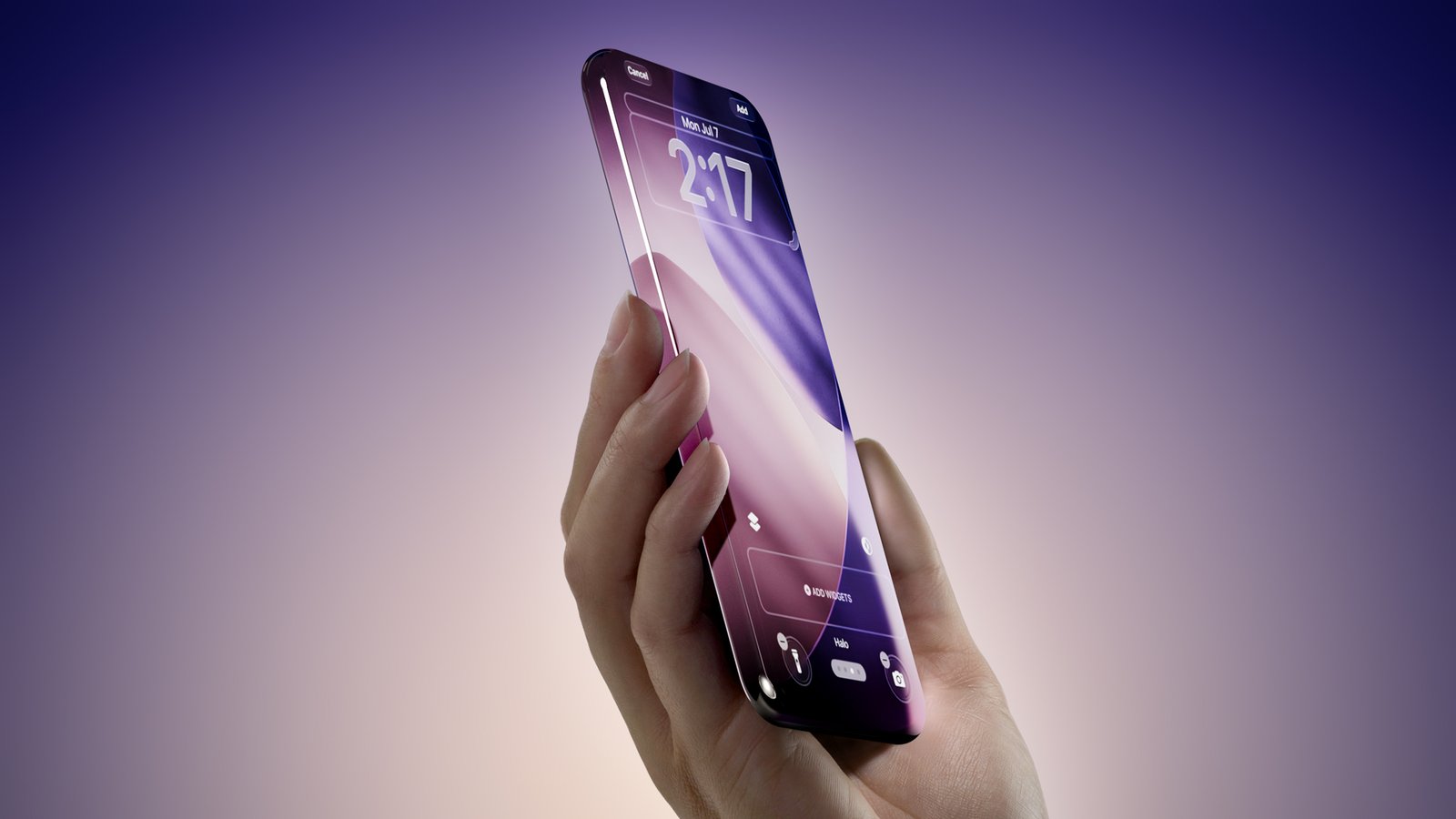
South Korea’s ETNews has separately reported that Apple is exploring “four-edge bending” OLED panels to make the design possible, and leaker Fixed Focus Digital claims supply-chain facilities have already been renovated ahead of the new glass production. A tandem OLED panel, a harder Ceramic Shield cover glass and reverse wireless charging also appear in the latest leak roundups, although none of those details has the weight of the Bloomberg reporting behind it.
The Road to an All-Screen iPhone
A bezel-less front only works if everything that currently sits in the Dynamic Island can live under the display. The reported roadmap is gradual. The Information says the iPhone 18 Pro models in 2026 move Face ID under the screen and keep only a small hole for the selfie camera. The anniversary phone then takes the final step and hides the camera as well, leaving what The Information describes as little more than a narrow metal band running around the midpoint of the frame, where the buttons sit.
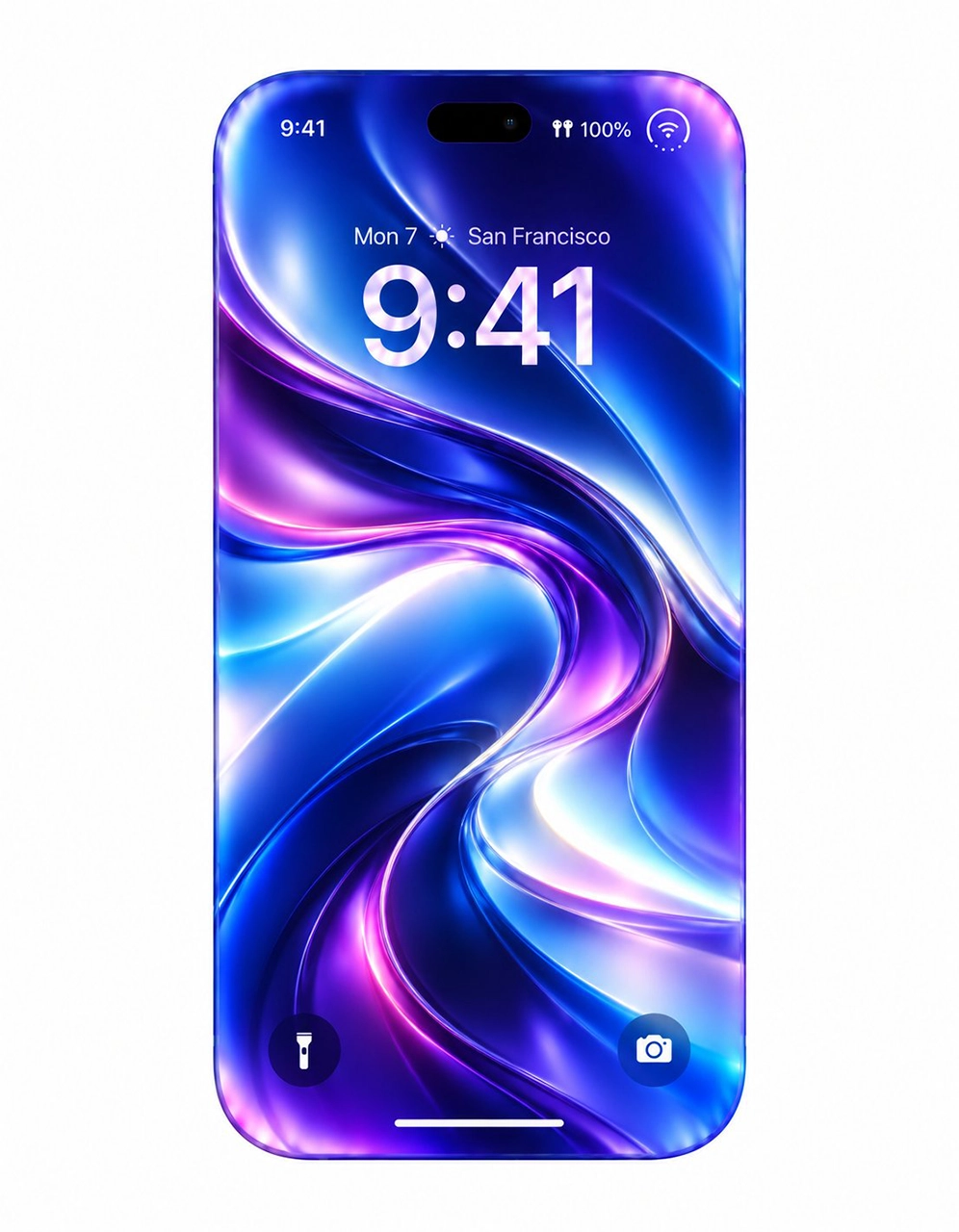
Not everyone is convinced the last step lands in 2027. Display analyst Ross Young expects the smaller Dynamic Island to persist through 2027, and Fixed Focus Digital has warned that Apple is still struggling with under-display Face ID quality. Leaker Digital Chat Station describes a middle path: the cutout shrinks step by step, from a smaller island to a hole-punch camera with fully hidden Face ID, while Apple continues testing the quad-curved all-screen device in parallel. In other words, the all-screen iPhone is real as a project; whether it ships in September 2027 or slips is the open question.
Buttonless, Too?
The newest leak roundups add one more step: no physical buttons at all. Solid-state controls, where a touch-sensitive area of the frame responds with a haptic click, have been rumored for Pro iPhones before and reportedly shelved at the last minute more than once. Tying them to the anniversary phone makes sense on paper, because a frame with no button cutouts is the only way the sheet-of-glass look stays unbroken. Treat this one as the least settled rumor in the pile: it depends on the Glasswing design surviving to production in its full form.
The 200MP Question
Camera reporting splits into two timelines, and the difference matters. One set of leaks ties a 200MP main sensor directly to the anniversary generation, sometimes alongside an ultrawide camera that gains optical stabilization and a redesigned horizontal camera module. Variable-aperture main lenses also appear in the anniversary rumor mix, which would let the big sensor control depth of field optically instead of only in software. If the package is right, the iPhone 20 Pro models would quadruple the resolution of today’s 48MP main camera in one jump.
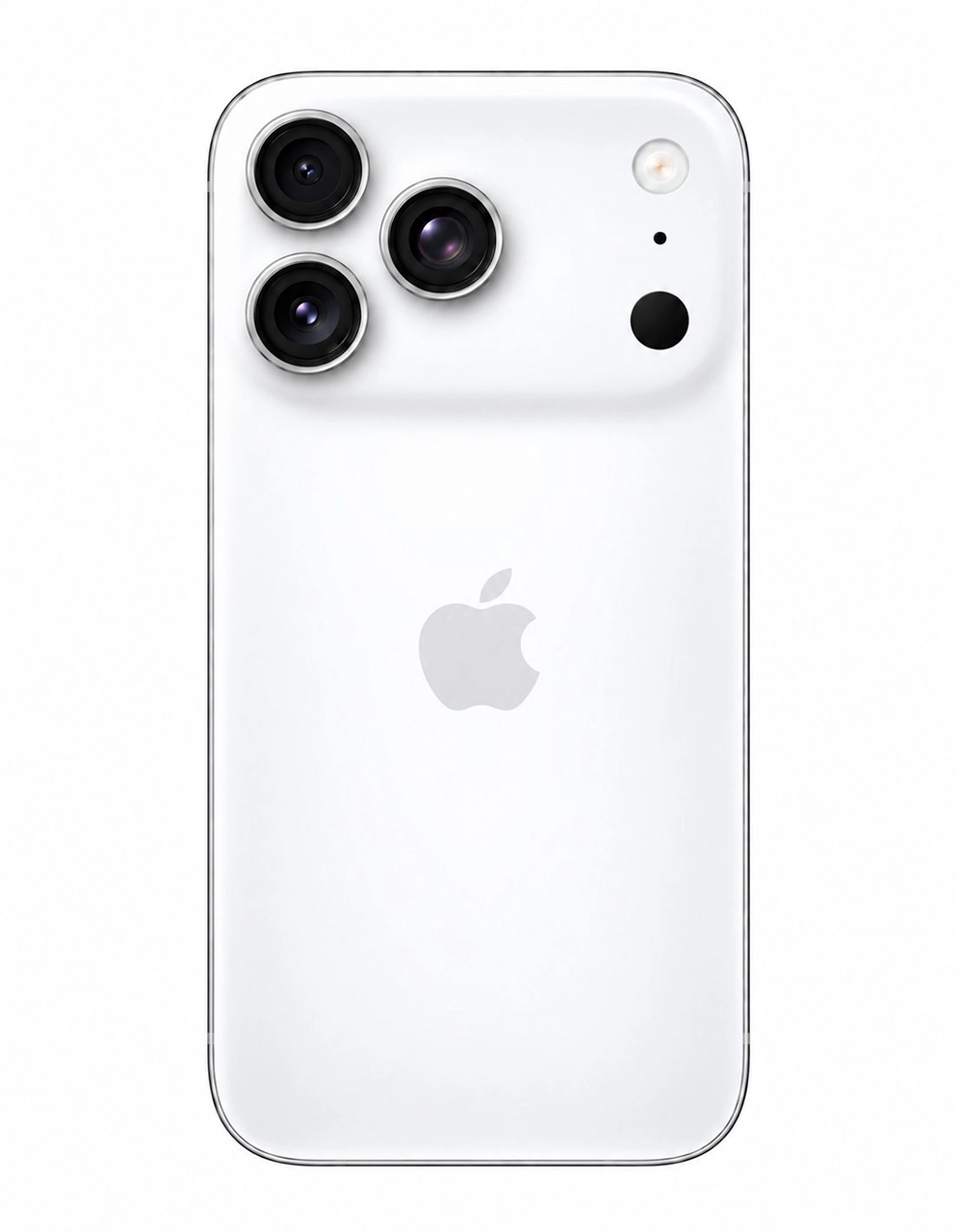
Morgan Stanley’s supply-chain researchers tell a slower story. Their note puts Apple’s 200MP debut in 2028, on the generation after the anniversary phone, and adds a twist: the sensor would likely come from Samsung, which already builds the 200MP sensors in its own Galaxy Ultra phones, with some production possibly moving to Samsung’s plant in Austin, Texas. Apple is also reportedly talking to STMicroelectronics about LiDAR sensors as it spreads its camera supply chain beyond a single maker.
Both timelines agree on the direction. Apple has been the conservative party in the megapixel race for a decade, and a move to 200MP, whenever it lands, ends that era.
A21, New Memory and a Silicon Battery
Under the glass, the anniversary iPhone is expected to run an A21 chip built on TSMC’s second-generation 2nm process. Some reports go further and attach mobile high-bandwidth memory, the stacked RAM technology used in AI accelerators, which would be a first in a phone and a clear signal that on-device AI is driving the design. A silicon-anode battery appears in the same roundups, promising more capacity in a thinner body. Those two claims come from thinner sourcing than the design reports, so file them as possible rather than planned.
One Special Model, or the Whole Pro Line?
There is one more disagreement worth knowing about. Gurman’s reporting has pointed to a special anniversary model sitting above the range, much like the iPhone X launched beside the iPhone 8. Analyst Jeff Pu, however, expects the 2027 innovation to land directly on the mainstream Pro and Pro Max models, with the four-edge display and under-display camera work spread across the Pro line rather than saved for a separate halo device. Which structure Apple chooses decides the price: a limited anniversary edition would sit above Pro Max money, while a Pro-line redesign spreads the cost. Either way, expect pricing at or above today’s Pro Max tier. For Pakistan, where new iPhones arrive through importers rather than an official Apple store, the anniversary model’s price is not yet confirmed and will only settle once it actually launches, the same pattern the iPhone Duo followed this month.
What It Means for Android
The Android side of this story is not about catching up. On most of these features, Android got there first, and the iPhone 20 reports read like Apple adopting the industry’s homework.
| Feature | Android history | iPhone 20 rumor |
|---|---|---|
| 200MP camera | Samsung Galaxy S23 Ultra, 2023 | Tipped for 2027, possibly 2028 |
| Under-display camera | ZTE Axon 20, 2020; Samsung Galaxy Fold series since 2021 | Anniversary model, 2027 |
| Quad-curved display | Huawei P40 Pro, 2020 | Glasswing design, 2027 |
| Silicon-carbon battery | Honor, OnePlus and Vivo flagships and mid-rangers, 2025–26 | Reported for the anniversary iPhone |
That history cuts both ways. Under-display cameras stayed niche because the image quality through a display is visibly worse, and Android makers largely retreated from curved glass after years of accidental touches, fragile edges and expensive repairs. If Apple ships both and makes them feel finished, the pressure reverses overnight: Samsung and Google would have to answer in their 2027 and 2028 flagships, and the bezel race that Android thought it had won and abandoned starts again. The Galaxy S27 Ultra generation is exactly where that answer would land.
The battery row of the table may matter most in Pakistan’s market. Silicon-carbon cells are how phones like the Vivo Y600 now carry 10,000mAh in a body under 9mm thick. If Apple adopts the same chemistry, the last clear hardware advantage of the Chinese Android brands narrows, and the competition moves back to price, where they are strongest.
Should You Wait for It?
If the reports hold together, the iPhone 20 is the biggest iPhone redesign since 2017, and anyone planning to keep a phone for four or five years has a genuine reason to look at 2027 before spending Pro Max money in 2026. The honest caveats are just as clear: the all-screen design could slip, the 200MP camera may belong to 2028, and first-generation designs carry first-generation repair bills, especially on a phone that is glass on every side.
The first reviews of the iPhone Duo showed Apple can still land an ambitious first-generation product. Whether Glasswing joins it or joins the list of beautiful rumors is now a manufacturing question, and the answer arrives in September 2027.
Would a truly bezel-less iPhone tempt you to switch, or has Android already given you everything on this list? Tell us in the comments.